





This six-day itinerary, "Peaks to Prayers," is a profound geographic and emotional transition that moves from the meditative stillness of the Himalayas to the resilient pulse of the Punjabi plains. The journey begins in the Dhauladhar range, specifically within the "Little Lhasa" of McLeodganj. Here, the experience is defined by inner reflection, where the rhythmic chanting of monks and the spiritual gravity of the Dalai Lama’s residence offer a window into a culture in exile, complemented by the quiet colonial nostalgia of neo-Gothic architecture nestled in cedar forests.
As you descend through the "Switzerland of India" in Khajjiar, the narrative shifts toward the alpine beauty of vast meadows and Victorian-era manors. This serves as a scenic bridge to the fertile heart of Punjab, where the energy transforms into vibrant devotion. The Golden Temple stands as the emotional climax, offering a humbling encounter with Sikh spirituality and selfless service. The journey concludes by honoring the revolutionary spirit of India, moving from the somber silence of Jallianwala Bagh to the patriotic fervor of the Wagah Border. Ultimately, this curated path is defined by contrast, guiding travelers from the silent, inward-looking heights of the peaks to the shared, historic heart of the nation’s heritage.
Day 1: Depart Chandigarh for the heritage village of Pragpur to explore Italianate architecture and Pashmina weaving. Continue past the Dharamshala stadium to McLeodganj for an evening visit to the Dalai Lama’s temple.
Day 2: Trek to the scenic Bhagsu Falls and Bhagsunath Temple before spending the afternoon at the Norbulingka Institute. Observe master artisans preserving Tibetan culture through traditional thangka painting and intricate woodcarving.
Day 3: Travel to the serene hill station of Dalhousie, a former British summer retreat established by the Viceroy in 1854. Enjoy an evening walk through its colonial-era layout, surrounded by lush forests of oak and deodar.
Day 4: Excursion to the "Switzerland of India," Khajjiar, followed by a trek to the summit of Dainkund Peak for 360-degree views. Conclude the day with adventure activities at Pachpula before preparing for the descent to the plains.
Day 5: Depart the mountains for Amritsar and head to the Wagah Border for the daily flag-lowering ceremony. This visceral military practice offers a powerful study of national identity and the shared history between India and Pakistan.
Day 6: Visit the Golden Temple to witness its inclusive philosophy and massive community kitchen before paying respects at Jallianwala Bagh. Conclude the journey at the Partition Museum before departing for your home destination.
This trip is starting from Chandigarh and ending at Amritsar. Arrive anytime before 08:00 AM on Day 1 and depart 08:00 PM on Day 6.
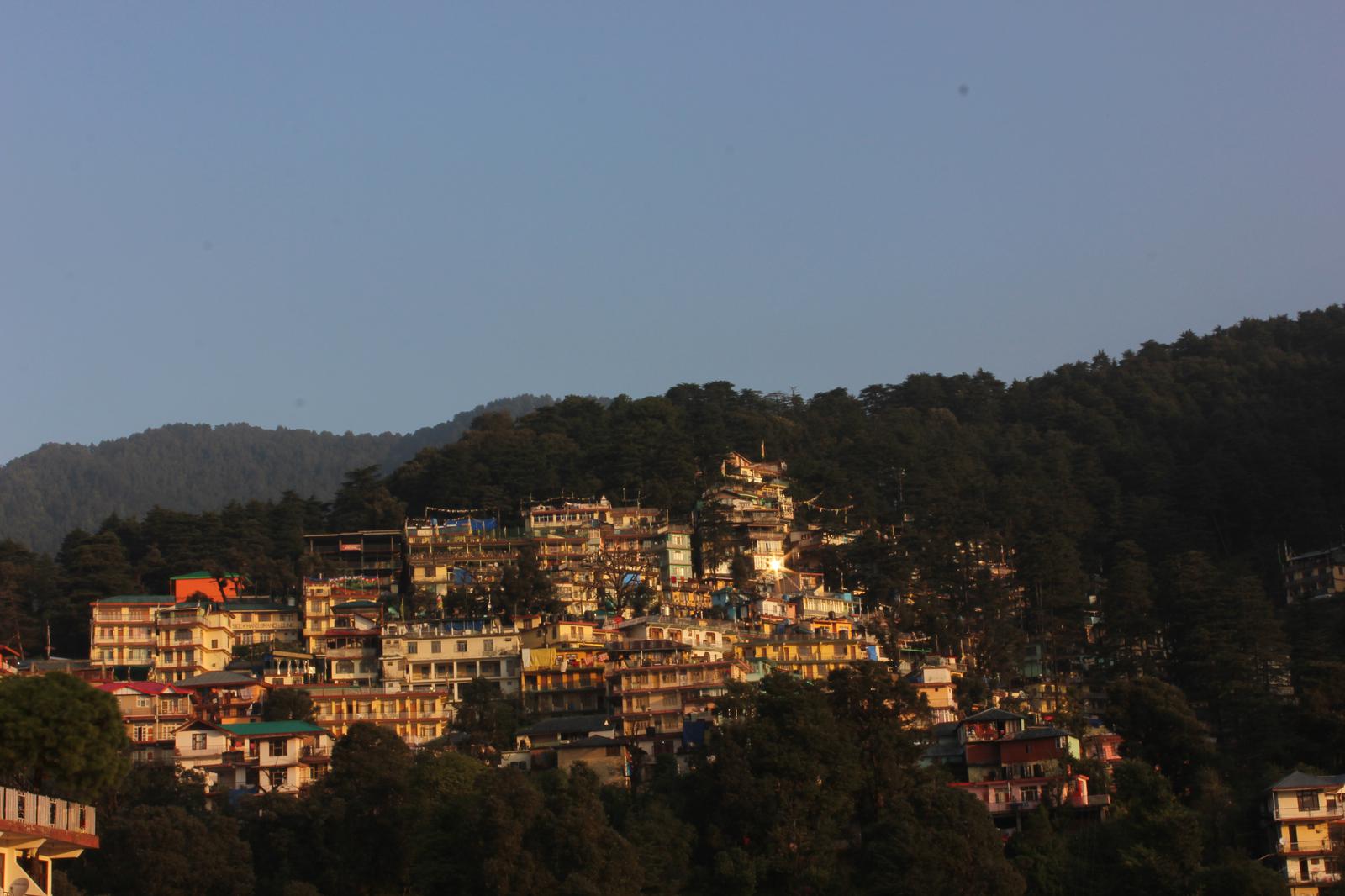
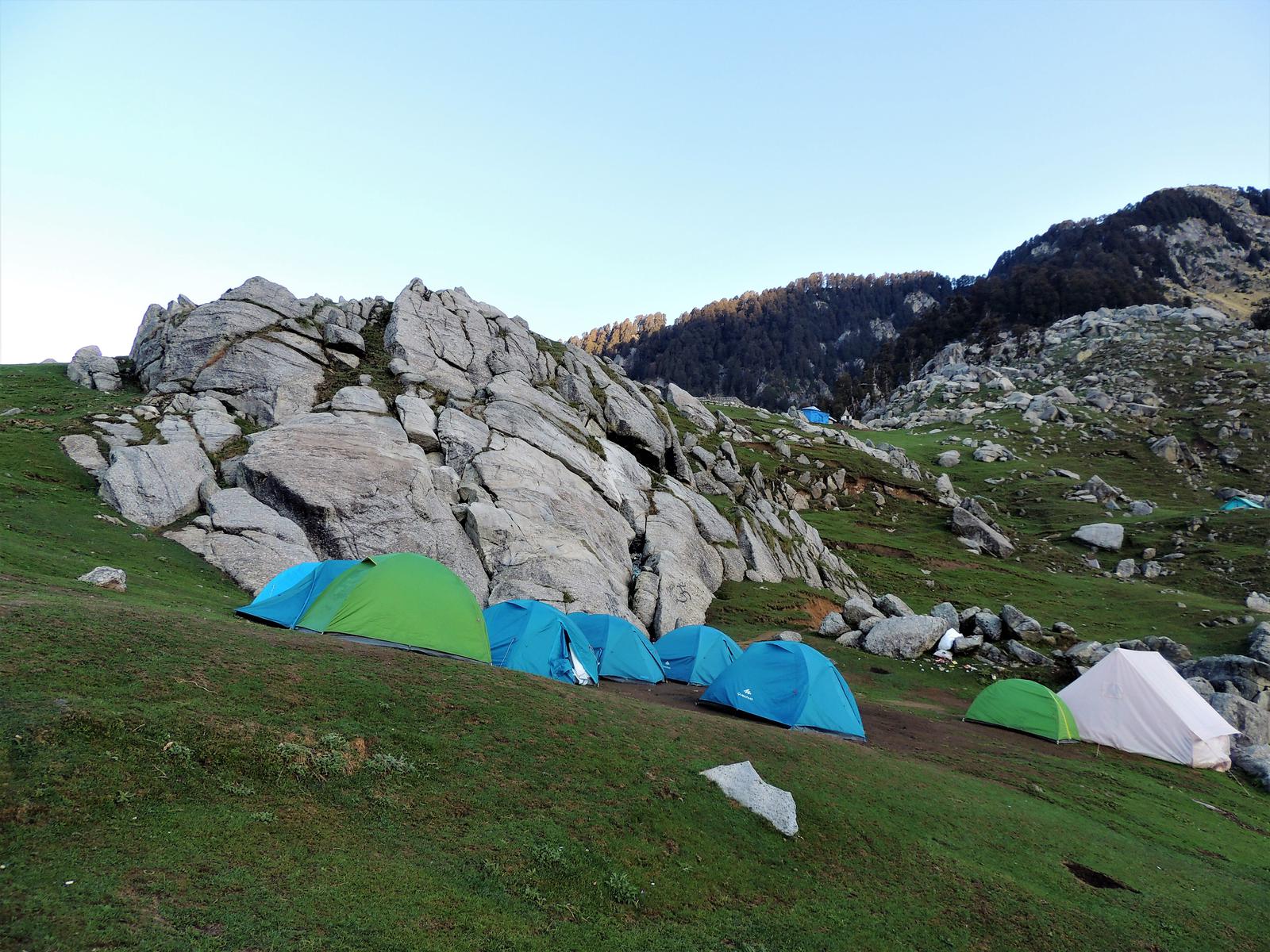
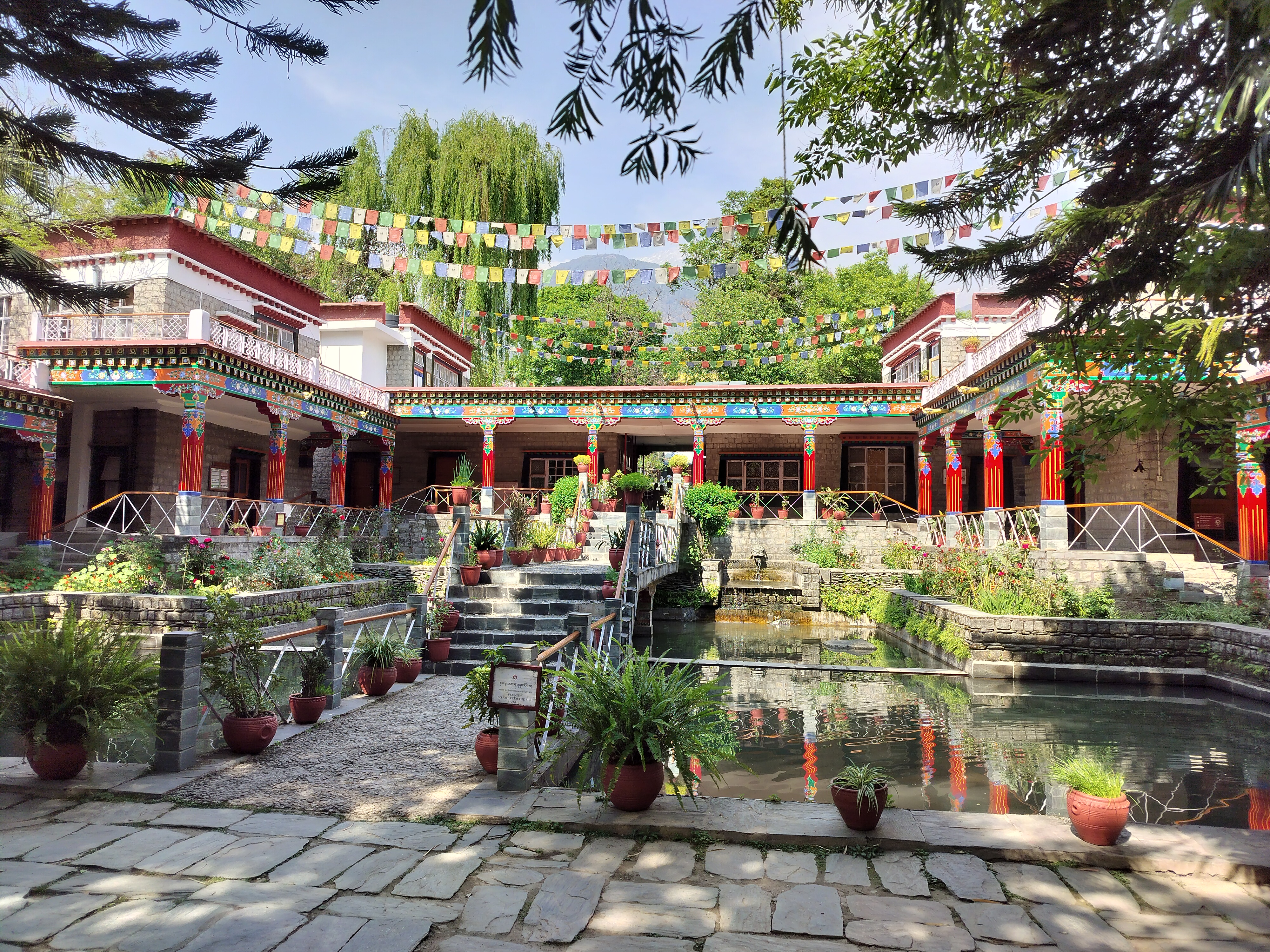
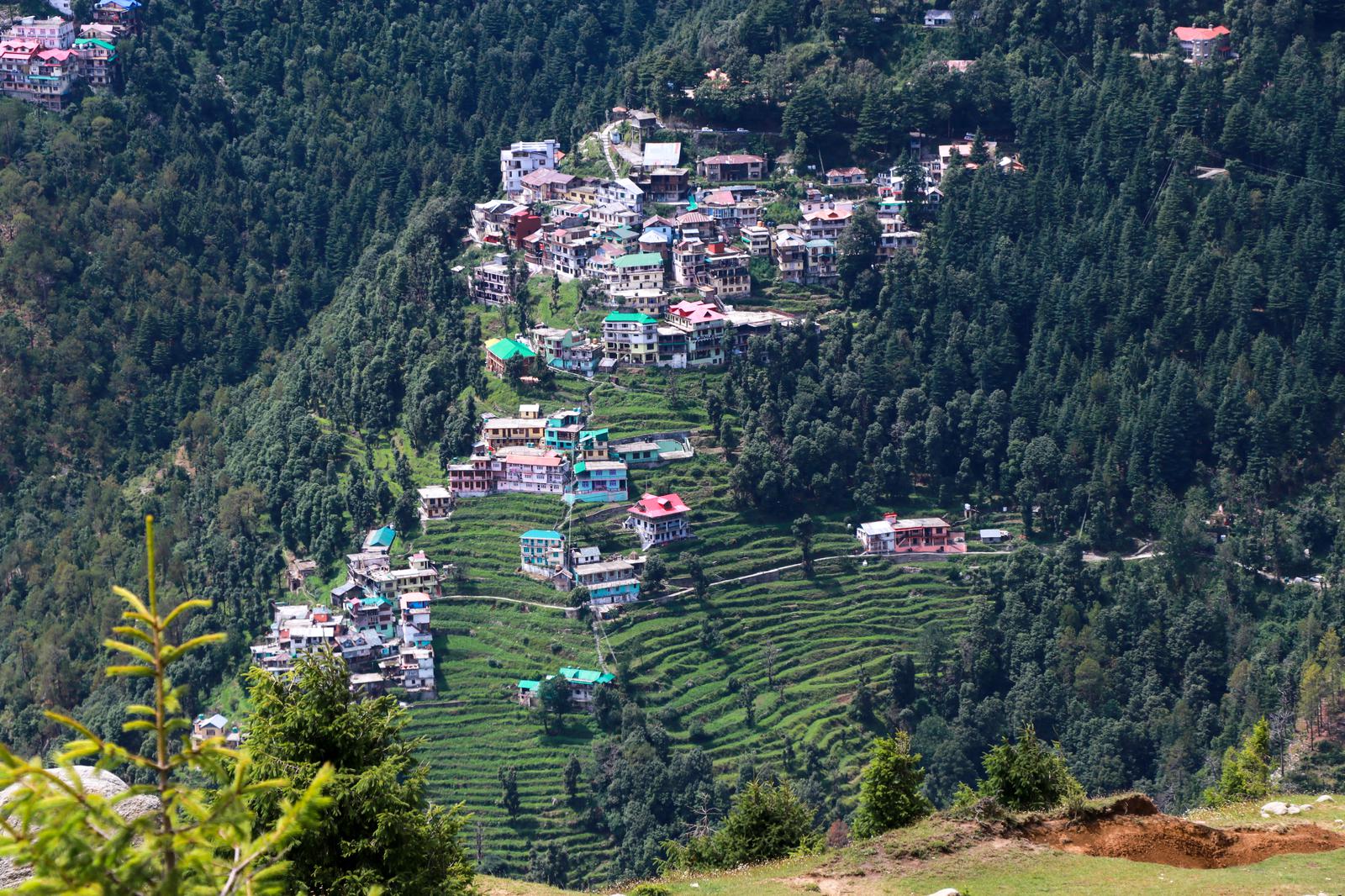
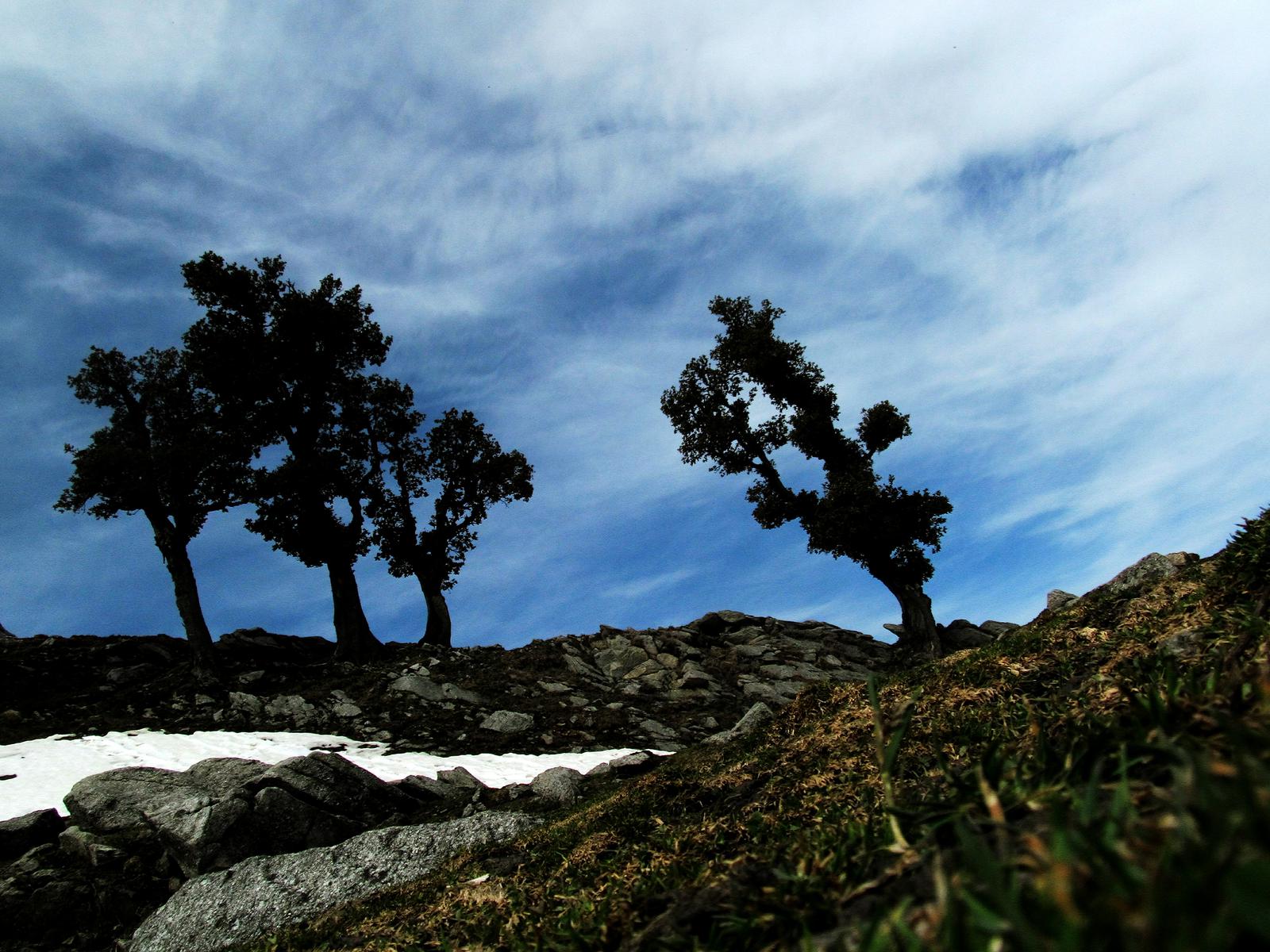
Arrival at Chandigarh and the group is transferred to MacLeodganj
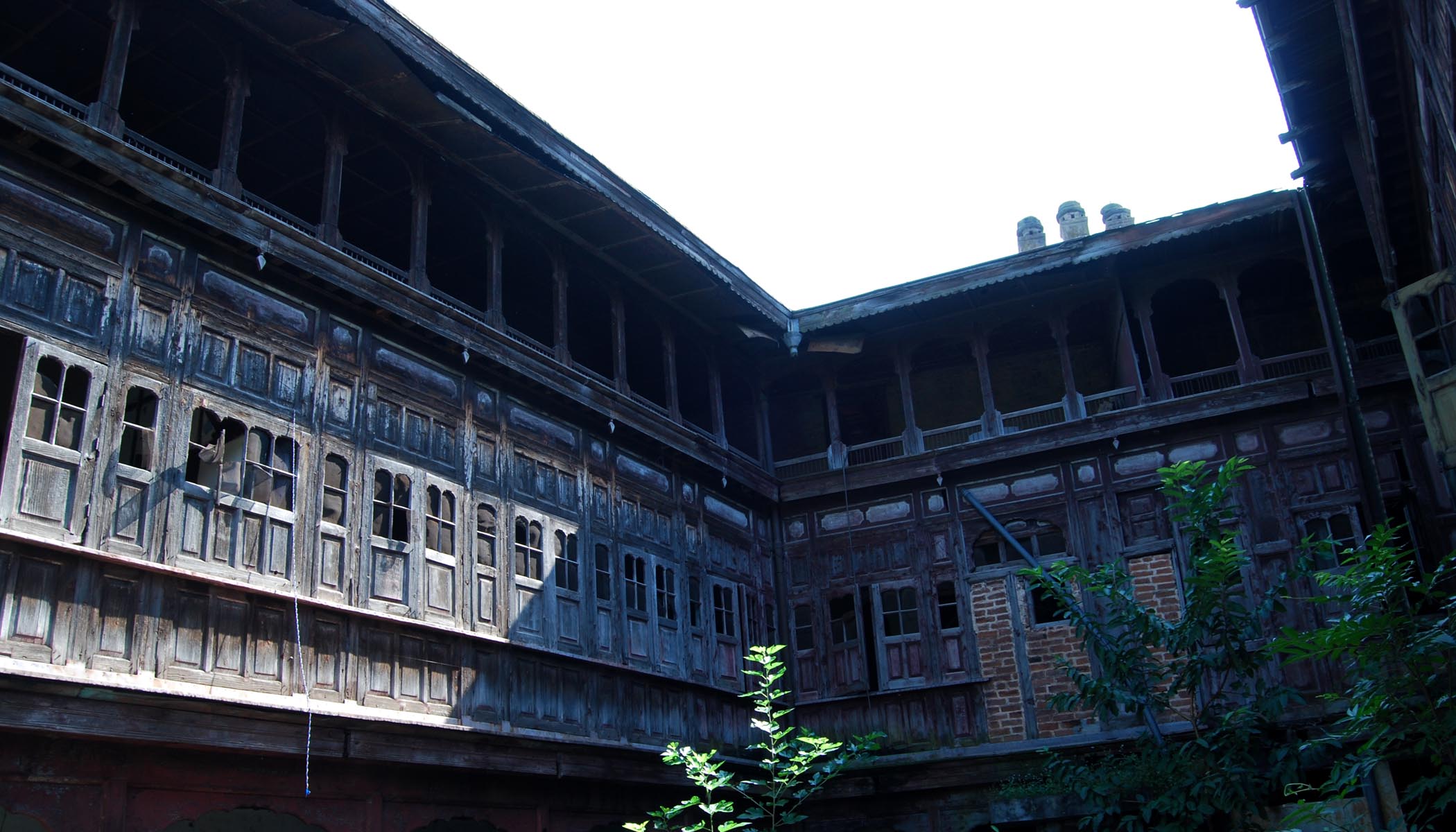
The journey begins with an early departure from Chandigarh, heading toward the heart of the Kangra Valley. A significant highlight of this first day is a stop at Pragpur, India’s first notified Heritage Village. The village serves as a living museum, showcasing a unique blend of Italianate, Gothic, and Rajput architectural styles preserved zealously by the local community. While exploring the cobblestone streets, the group can visit handloom units to witness the intricate process of Pashmina weaving, providing a direct look at traditional textile craftsmanship.
After a traditional Kangri Dham lunch, the route continues past the Dharamshala Cricket Stadium before arriving in McLeodganj.
The evening is dedicated to the spiritual core of the town at the Tsuglagkhang Complex, the Dalai Lama’s temple, where the group can observe the statues of Shakyamuni and Padmasambhava amidst the serene atmosphere of "Little Lhasa."
Dinner and overnight at MacLeod Ganj.
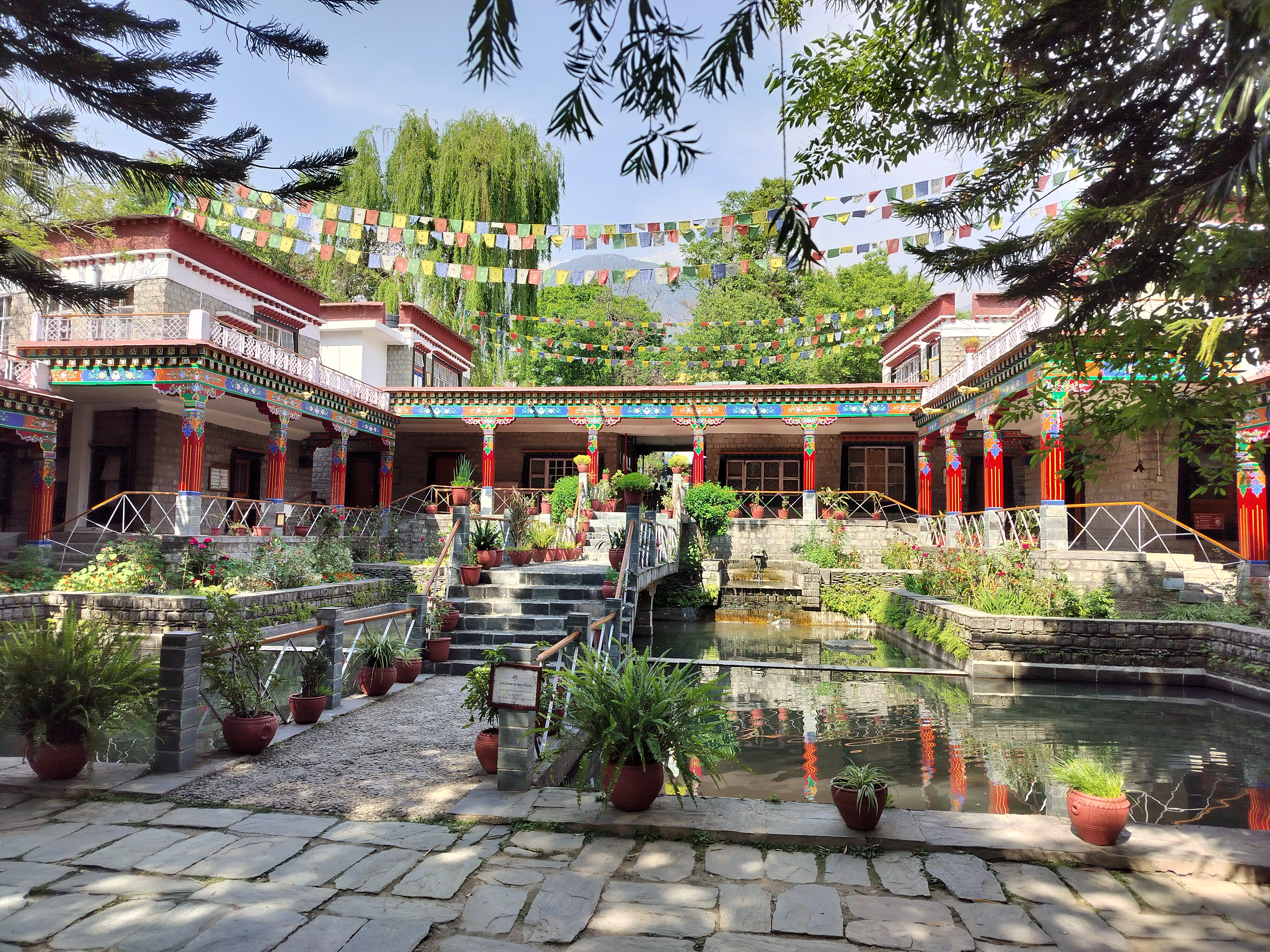
The second day balances physical activity with artistic immersion. A morning trek to Bhagsu Falls offers a refreshing encounter with the Dhauladhar foothills and a visit to the ancient Bhagsunath Temple.
The afternoon is spent at the Norbulingka Institute, a sanctuary dedicated to preserving Tibetan culture. Here, the narrative of the trip shifts from architecture to the fine arts, as students observe master artisans practicing thangka painting and woodcarving.
Dinner and overnight at Mc Leod Ganj.
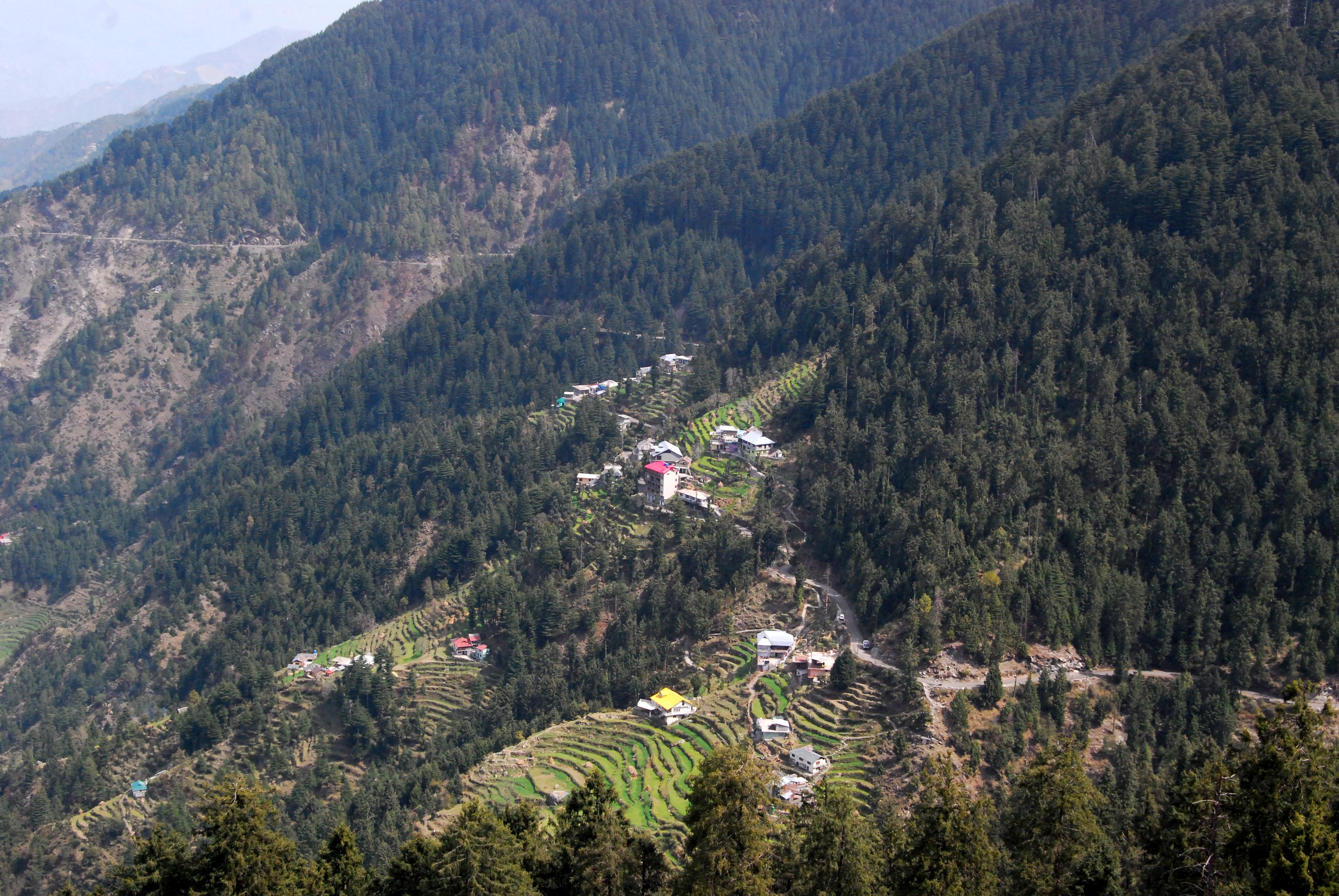
Post breakfast, the group departs for Dalhousie. The group arrives late evening and checks in at hotel. Dalhousie is a quiet hill station, popular with travelers looking for solitude and serene ambience.
This pleasant town in the northern state of Himachal Pradesh, was founded in 1854 by Lord Dalhousie, the British Viceroy in India, as a summer retreat for the British troops and bureaucrats, subsequently the town was named after him. Built on and around five little hills towards the western edge of the Dhauladhar range, the encompassing verdant hills have a dense growth of ban oak, rhododendron, pine and deodar (cedar) tress, and a large variety of shrubbery.
An evening walk through the town’s colonial layout offers a quiet contrast to the vibrant energy of MacLeod Ganj.
Dinner and overnight at Dalhousie.
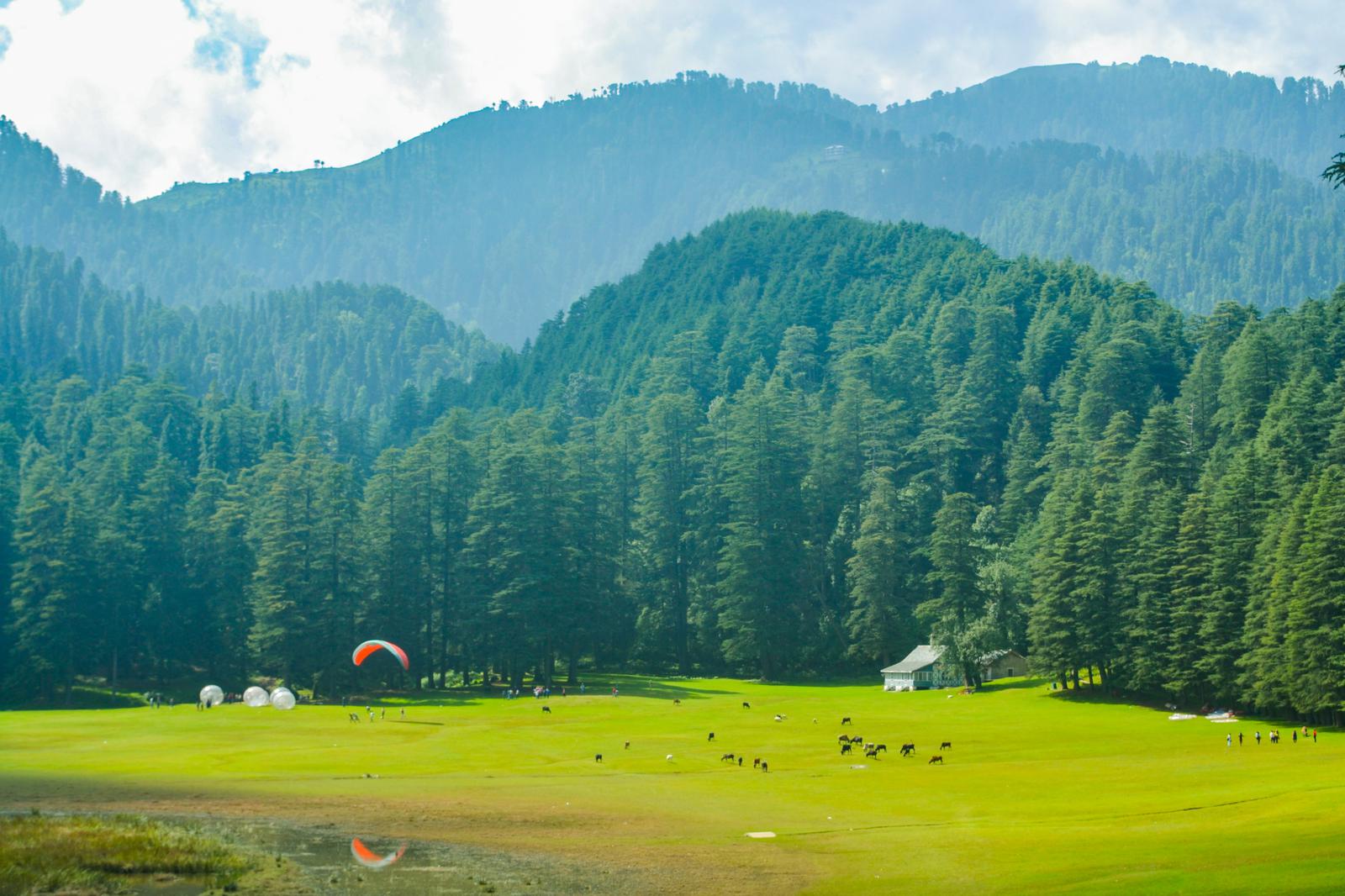
Post breakfast, the group avails local excursion to Khajjiar.
Khajjiar is a forest glade of immense beauty, situated at an elevation of 6,430 ft, was originally developed as a golf course during the colonization by the British. Now this lush expansive meadow near Dalhousie is a picnicker’s delight. There is an ancient temple dedicated to Khaji Nag, after which it gets its name.
Beyond the popular meadow, the group continues to Dainkund Peak, the highest point in the area. The trek to the Pholani Devi Temple at the summit provides a 360-degree panorama of the valley and an opportunity to see the unique religious traditions of the region.
The day concludes with adventure activities at Pachpula to energize the group before the transition to the plains.
Dinner and overnight at Dalhousie
Post breakfast, the group departs for Amritsar. The group arrives and checks-in at hotel.
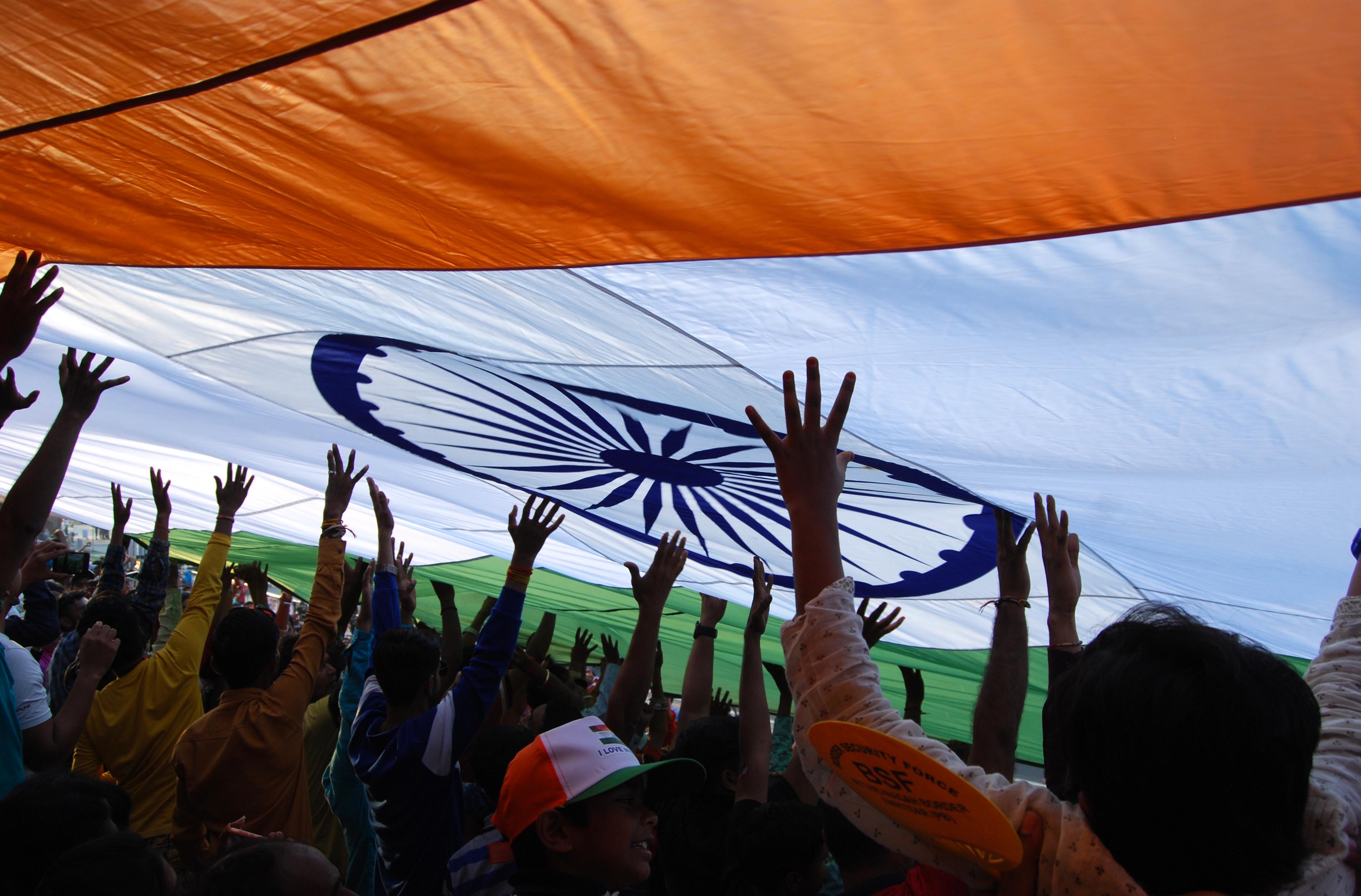
Post lunch, the group leaves for ‘Wagha Border”.
The lowering of the flags ceremony at the Wagah border near Hussainiwala National Martyrs Memorial, is a daily military practice that the security forces of India (Border Security Force) and Pakistan (Pakistan Rangers) have jointly followed since 1959. The elaborate flag-lowering ceremony serves as a powerful study in national identity and shared history, offering a visceral experience of the relationship between India and Pakistan.
Dinner and overnight at Amritsar
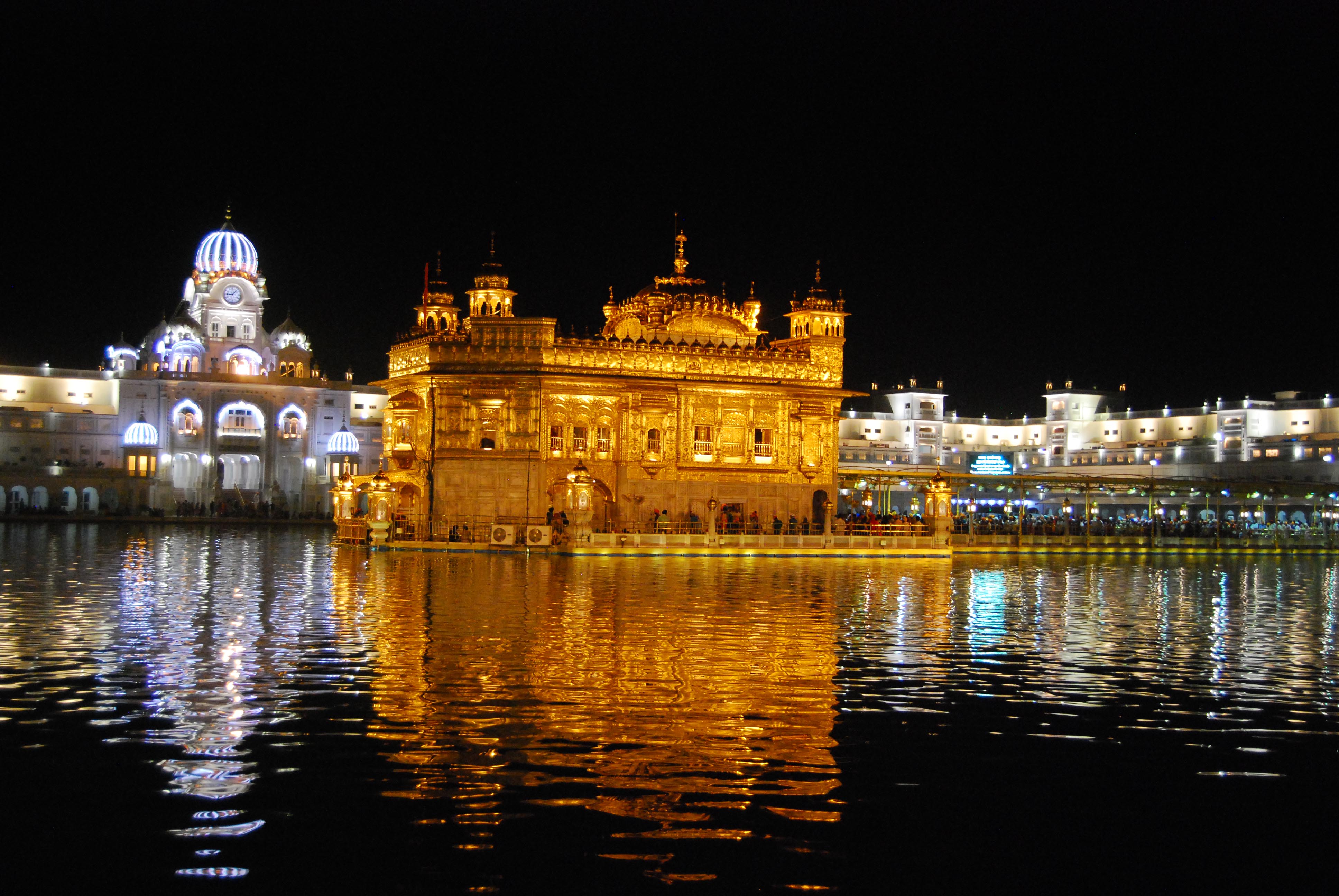
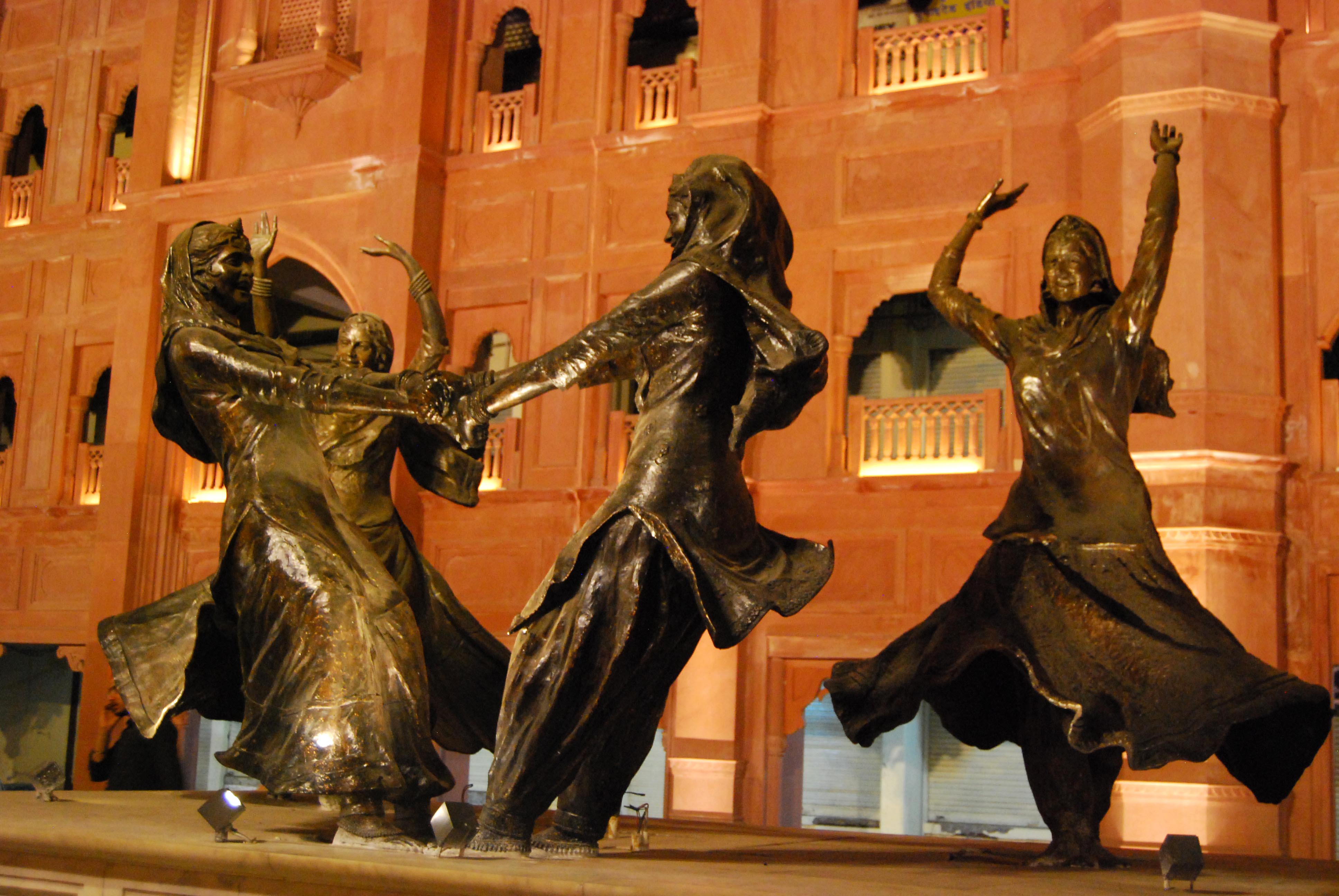
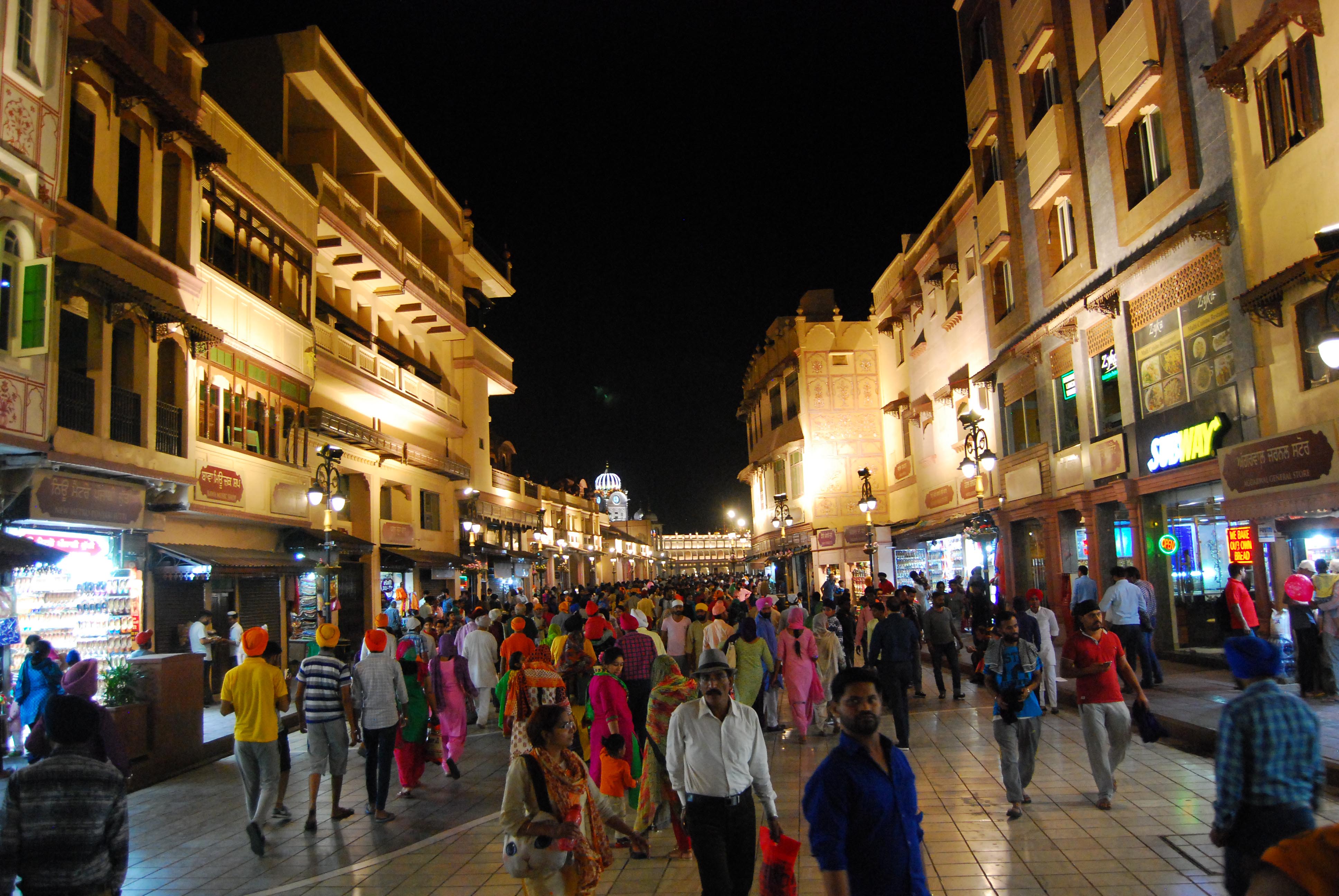
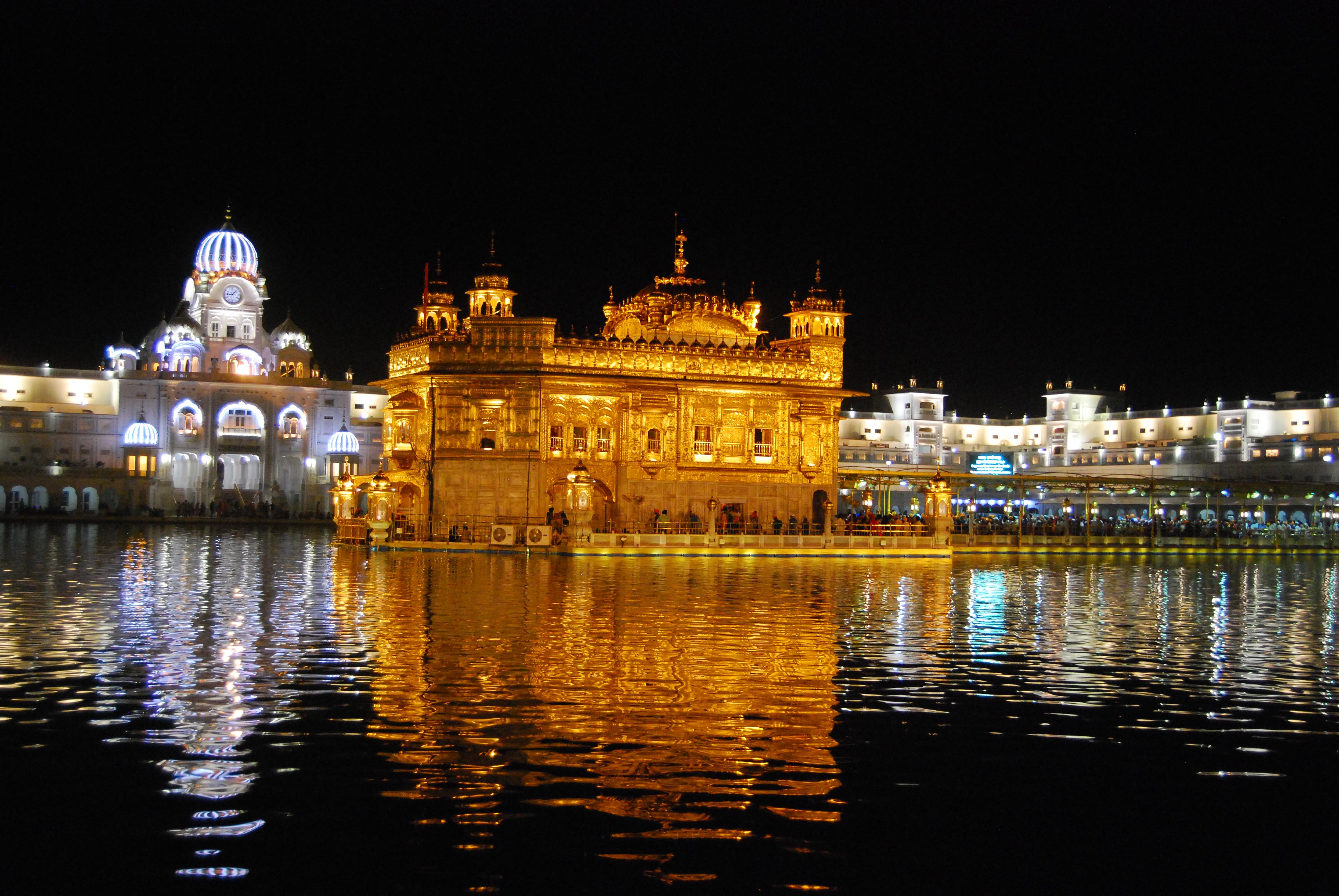
Post breakfast, the group visits “Golden Temple”.
As the spiritual heart of the Sikh faith, the temple is renowned for its stunning gold-leafed exterior and its inclusive philosophy, featuring four entrances to symbolize that people from all walks of life are welcome. The community kitchen stands as a monumental feat of logistics and selfless service, where thousands are fed daily regardless of their background, reflecting a philosophy of absolute equality. Observing the vast, synchronized efforts of the volunteers provides a unique perspective on social harmony and large-scale humanitarian coordination.
Following this experience, the journey continues to Jallianwala Bagh, a site that serves as a somber testament to the struggle for independence. The preserved grounds and memorial markers offer a visceral connection to the historical events that shaped the nation’s path to freedom.
The day concludes at the Partition Museum, a critical stop for any traveler seeking to understand the region's complex history. By documenting the personal narratives, artifacts, and oral histories of those affected by the 1947 Partition, the museum provides a deep, empathetic look at the largest mass migration in human history.
This final immersion into the resilience and heritage of the people provides a meaningful and reflective conclusion to the journey.
Evening, the group boards train / flight back for home destination.
Tour concludes
CANCELLATION
DISCLAIMER
This trip is starting is Ex - Chandigarh. Arrive anytime before 08:00 AM on Day 1 and depart 08:00 PM on Day 7.
We will be staying in moderate hotels / Camps during the trip.
We will arrange for authentic north Indian food, which will include non-vegetarian options. If you have any specific meal preferences / dietary requirements, please let us know beforehand.
July is characterized by pleasant weather, making it suitable for outdoor activities. It stays around 20 degrees Celsius in daytime and about 10 degrees Celsius in night.
*Please note that now a days, climate/ weather is dependent on many factors and unpredictable hence above information might be subject to change during your actual travel days.