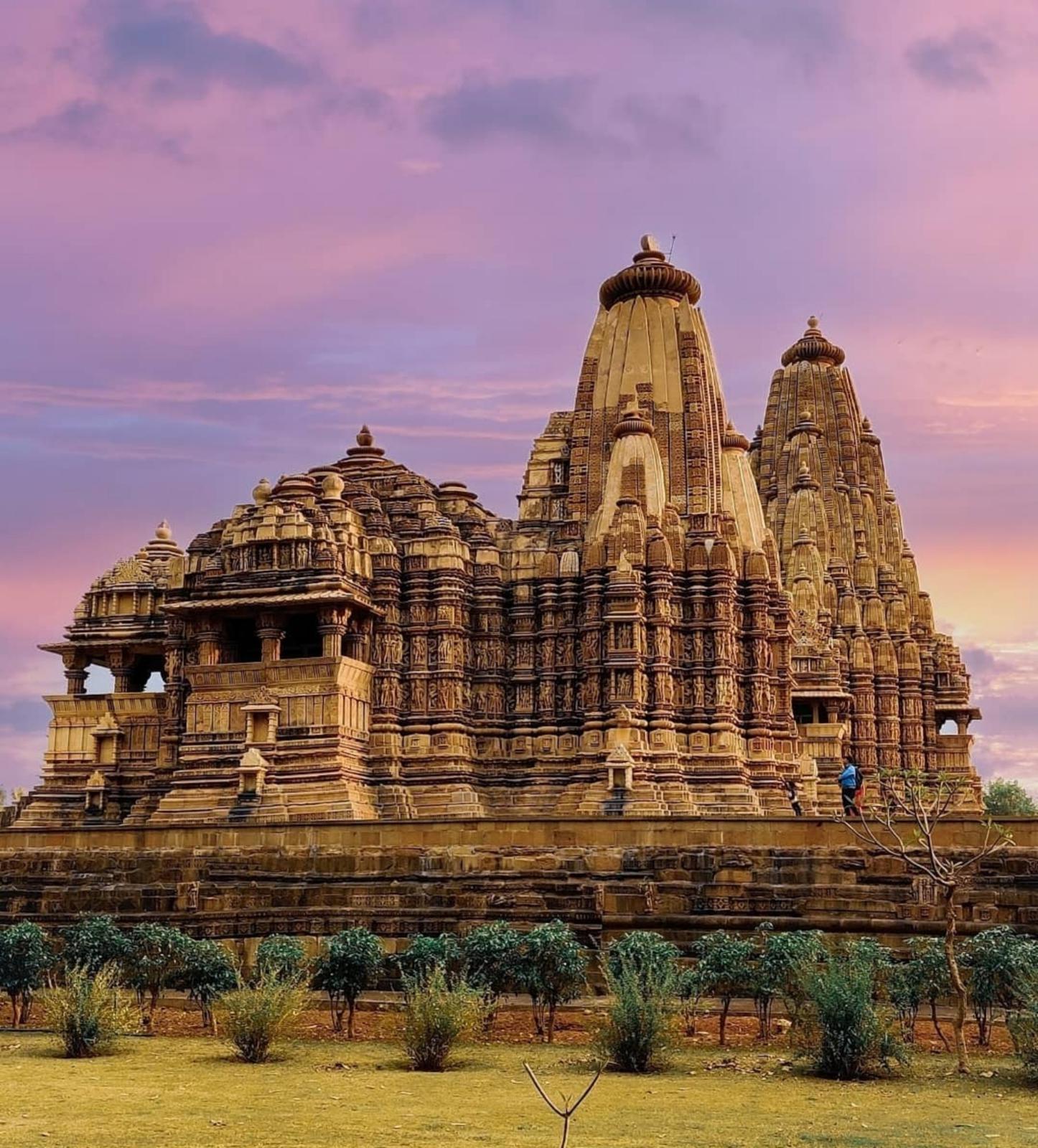

A land of captivating diversity, India tells an extraordinary story through ancient traditions and a vibrant heritage where monuments stand as silent narrators of centuries past. From the ethereal Taj Mahal in the north to the celestial Sun Temple of Konark and the terracotta elegance of the Rasmancha in the east, the architectural narrative spans the subcontinent. The intricacy of Khajuraho’s carvings finds a spiritual counterpoint in the soaring Brihadisvara Temple and the golden mystery of the Sree Padmanabhaswamy Temple in the south. This vast collection of forts and palaces, particularly the sun-drenched ramparts of Rajasthan, serves as a testament to a nation defined by history, spirituality, and artistic brilliance.
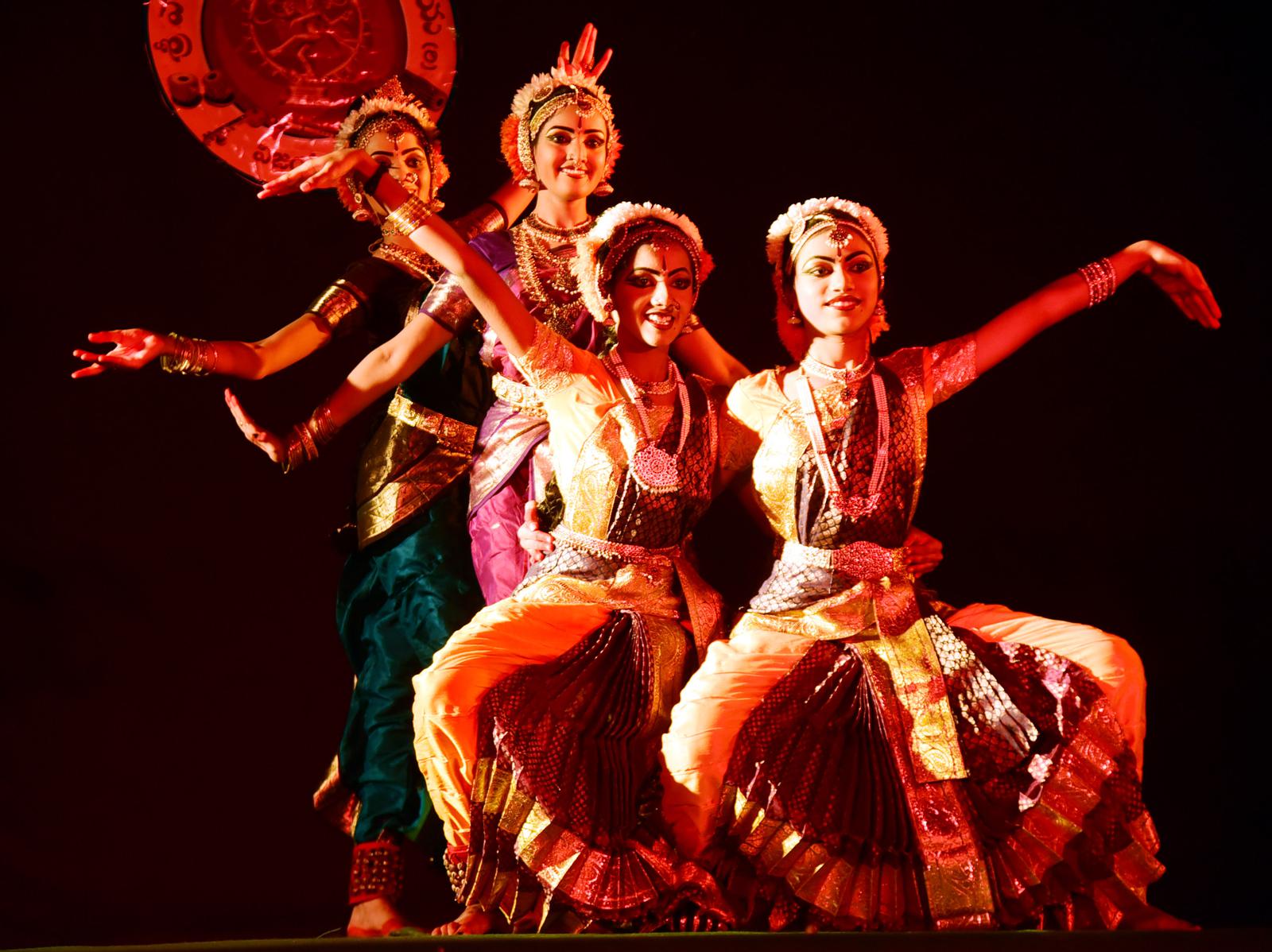
India is a living archive where heritage flows through the veins of its people rather than being locked in museums. Its soul is woven from functional crafts like Kashmiri Pashmina and the ancient Dhokra casting of Chhattisgarh, which transform local environments into sustainable economies. This creative energy extends to the performing arts, where the sophisticated duality of Hindustani and Carnatic music influences the psyche. Similarly, classical dances like Bharatanatyam and Kathak employ a complex visual language of Mudras to bridge the gap between the mortal and the divine.
The nation’s intellectual assets are rooted in a profound oral tradition, as the Vedas and the Ramayana were chanted for millennia before being committed to ink. As the birthplace of Hinduism, Buddhism, Jainism, and Sikhism, India has gifted the world philosophical anchors like Dharma, Karma, and Ahimsa, alongside the holistic sciences of Yoga and Ayurveda. These traditions foster deep moral values and communal harmony, manifesting physically through the joy of Diwali, Holi, Durga Puja, and the UNESCO-recognized Kumbh Mela, which synchronize society with the majestic cycles of the sun and moon.
These assets remain as fragile as they are ancient, existing only as long as they are practiced by a living hand or voice. This living heritage thrives through continuous, passionate participation rather than static preservation. As we delve into this tapestry, we encounter a palette of resilience that paints a vivid picture of a nation steeped in cultural magnificence. Each ritual and culinary creation serves as a window into an enduring saga where the past intertwines seamlessly with the present, creating a vibrant mosaic of timeless allure.
Northern India exists as a mosaic of ancient heritage and breathtaking landscapes. The expedition begins in Delhi, where ancient monuments like the Red Fort, Jama Masjid, and Humayun’s Tomb stand tall against a modern skyline. The towering Qutub Minar remains an enduring symbol of the city's architectural evolution. From the capital, the journey ventures into Rajasthan, where cities like Jaipur, Udaipur, and Jaisalmer whisper tales of chivalry and royal splendor through their magnificent palaces and desert forts.
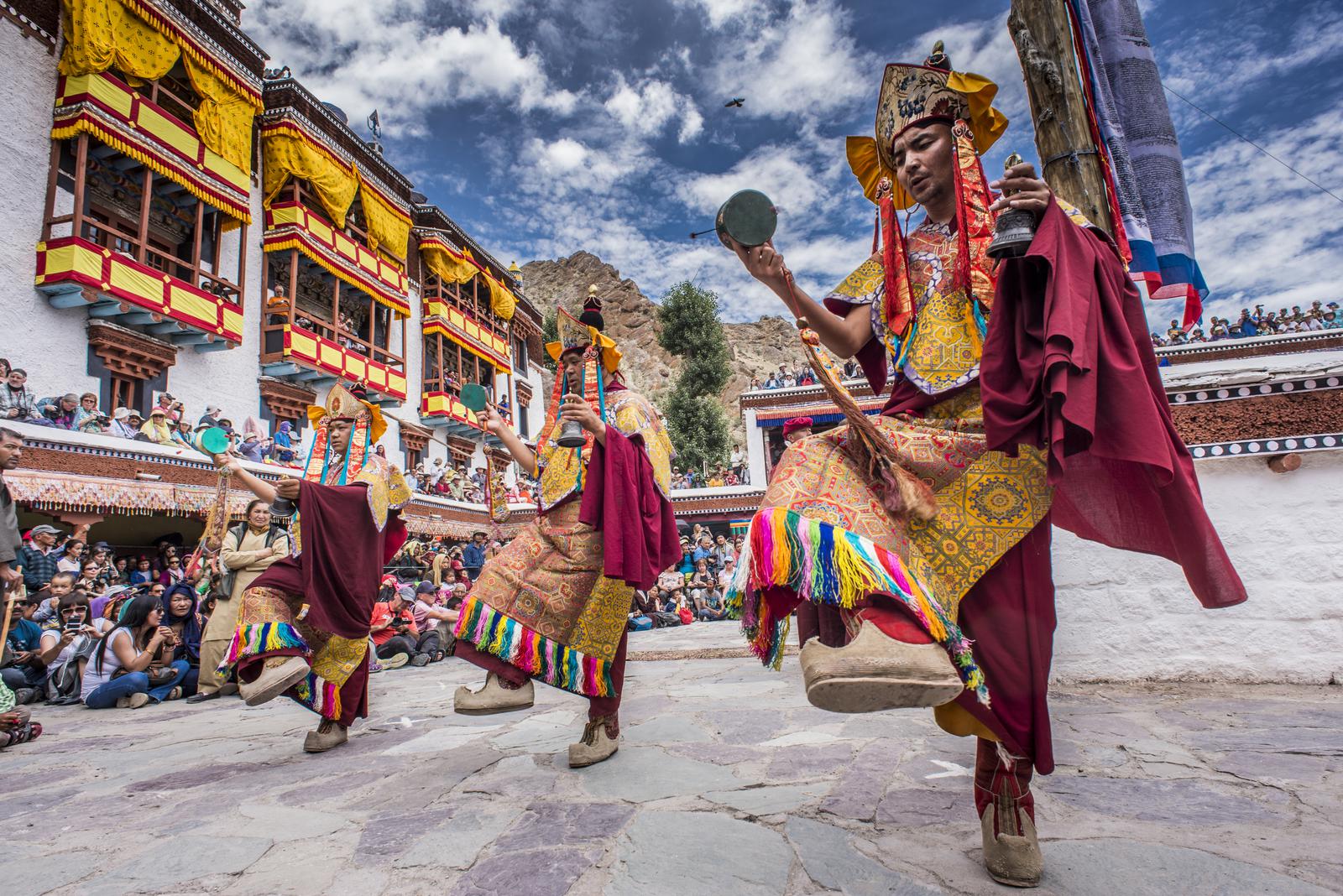
The northern heights offer a dramatic shift in scenery and soul. Jammu & Kashmir provides the serene beauty of Dal Lake and the meadows of Gulmarg, while the rugged terrain of Ladakh reveals ancient monasteries and rustic charm. In Himachal Pradesh, the colonial elegance of Shimla meets the spiritual tranquility of Dharamshala and the remote monasteries of Spiti. The journey finds its spiritual heartbeat in Punjab at Amritsar’s Golden Temple, a shimmering haven of peace and selfless devotion.
Exploring the historic heartland leads to Uttar Pradesh, home to the iconic Taj Mahal in Agra and the culinary riches of Lucknow. Deep spirituality permeates the sacred sites of Varanasi, Mathura, and Ayodhya, where myth and history converge on the banks of holy rivers. Further south, Madhya Pradesh showcases the world-renowned carvings of Khajuraho and the storied forts of Gwalior and Orchha, bridging the gap between the northern plains and the central plateau.
The exploration continues through the Pink City of Jaipur and the romantic lakeside beauty of Udaipur. The journey reaches the golden sands of Jaisalmer, where a magnificent fort rises like a mirage from the Thar Desert, before moving through the blue-hued streets of Jodhpur beneath the imposing Mehrangarh Fort. Finally, one can immerse themselves in the vibrant culture of Pushkar, where spirituality meets festivity during the world-famous Camel Fair.

East India is a captivating tapestry where history, spirituality, and tribal diversity converge. From the colonial charm of West Bengal and the ancient stone temples of Odisha to the sacred Buddhist sanctuaries of Bihar and the vibrant cultures of the Northeast, the region offers an unforgettable journey of discovery. Whether exploring architectural marvels or immersing oneself in local hospitality, each destination promises an adventure filled with the magic of exploration and the warmth of the eastern sun.
The expedition begins in West Bengal, where the colonial architecture of Kolkata brings history to life through landmarks like the Victoria Memorial and Howrah Bridge. The journey continues into Odisha, a land adorned with exquisite Hindu temples and archaeological wonders. Key highlights include the UNESCO-listed Sun Temple of Konark, famous for its intricate chariot carvings, and the ancient Udayagiri and Khandagiri Caves, which offer a silent glimpse into the lives of Jain monks from centuries ago.
The spiritual heartland of Bihar serves as a treasure trove of Buddhist heritage, featuring the Mahabodhi Temple in Bodh Gaya and the sprawling ruins of Nalanda University. The journey through time is completed at Sarnath, where the Buddha’s first sermon was delivered. This heritage is mirrored in vibrant festivals like Durga Puja, where Kolkata transforms into an open-air art gallery, and the Rath Yatra in Puri, where massive chariots draw millions in a display of ancient devotion.
The artistic soul of East India is further immortalized in its exquisite handiwork and textiles. One can witness the creation of delicate Jamdani silks in Bengal or discover the shimmering Silver Filigree of Odisha. From the bold lines of Madhubani paintings in Bihar to the world-renowned cane and bamboo crafts of the Northeast, the region’s artisanal legacy provides a tactile connection to its history. Together, these crafts ensure that the enchanting east remains a living, breathing experience for every traveler.
South India’s historical landscape is a breathtaking journey where every fort and palace narrates a tale of bygone eras. From the Indo-Saracenic wonders of Chennai to the ancient splendors of Madurai and Vijayanagara, the region's architecture reflects a distinct heritage. This exploration begins in Tamil Nadu, where Chennai’s colonial legacy shines through masterpieces like the Senate House, showcasing a unique and sophisticated fusion of European and local styles.
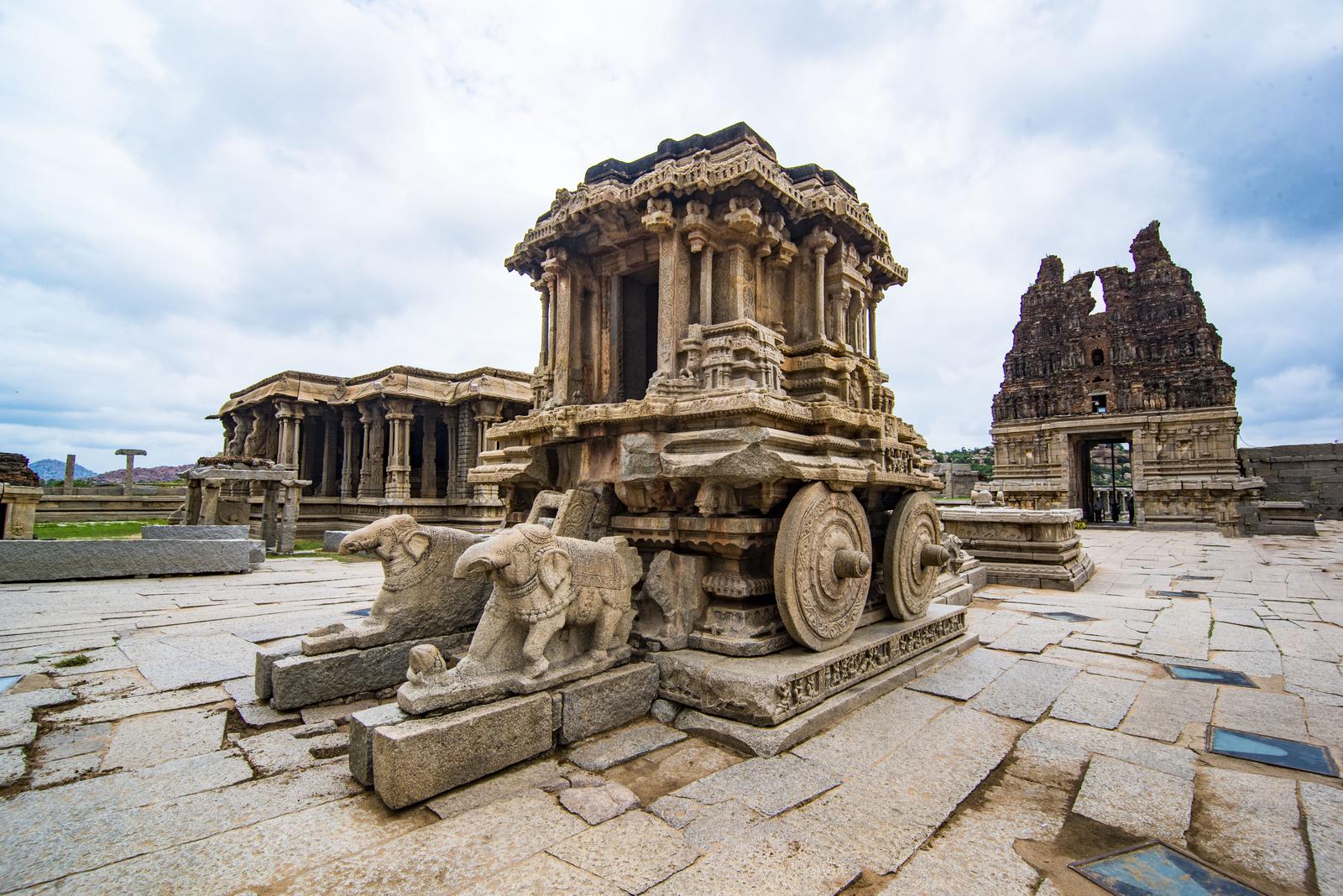
The journey transitions into a blend of diverse cultural influences, starting with the Vijayanagara Empire’s exquisite Lotus Mahal. In Andhra Pradesh, the Chandragiri Palace stands as a testament to this stylistic blend, while Madurai’s Tirumalai Nayak Palace dazzles visitors with massive granite columns and intricate stucco arcades. These structures represent the peak of regional power and artistic innovation, bridging the gap between medieval tradition and royal grandeur with effortless grace.
Continuing through the heart of the south, the Thanjavur Fort complex displays a mesmerizing fusion of Hindu iconography and classical design. In Karnataka, the world-renowned Mysore Palace serves as the ultimate symbol of royal opulence, especially when illuminated at night. The expedition concludes in Kerala at the Padmanabhapuram Palace, which houses exquisite murals depicting ancient epics, perfectly capping off a tour of India's enduring architectural legacy within a framework of indigenous wooden craftsmanship.
South India’s identity is also deeply woven into its master craftsmanship and festive spirit. The region's history breathes through the Kanchipuram silk of Tamil Nadu and the gold-leaf brilliance of Tanjore paintings. Karnataka’s legacy is carved into fragrant sandalwood, while Kerala’s identity is reflected in iconic Kathakali masks and delicate coir products. These traditions, including the bronze icons of Swamimalai, mirror the same devotion found in the region's great temples.
The pulse of the south is best felt during its grand celebrations, such as the Thrissur Pooram in Kerala with its elephant processions and the harvest gratitude of Pongal and Onam. From the royal splendor of the Mysore Dasara to the high-octane Snake Boat Races in the backwaters, these traditions ensure that South India’s enduring legacy remains a visceral experience for every traveler.
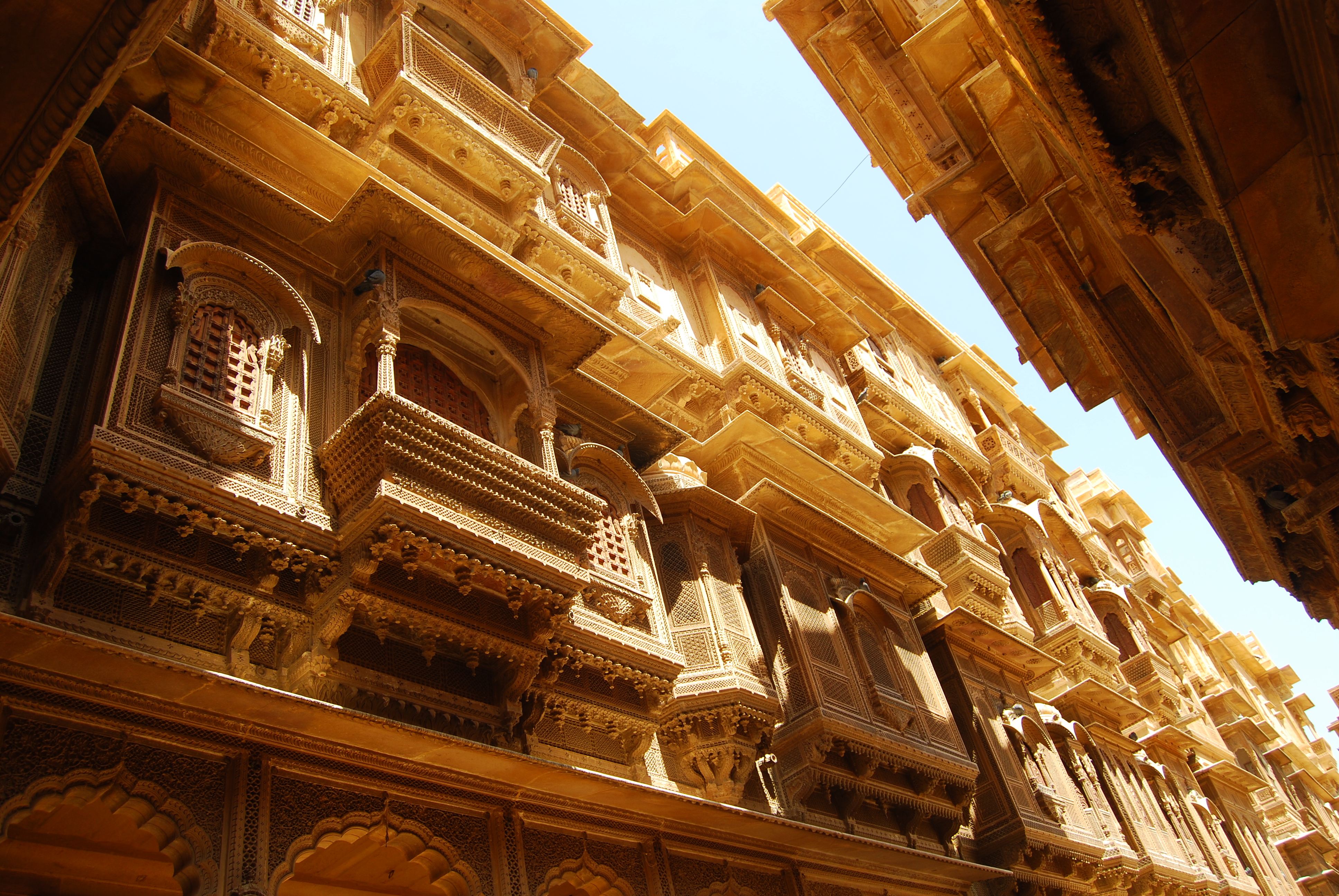
West India offers a breathtaking blend of spirituality and architectural power, stretching from the shores of Goa to the rugged forts of Maharashtra and the ancient ruins of Gujarat. The journey begins in Goa at the UNESCO-listed Basilica of Bom Jesus and the historic Aguada Fort. This region serves as a gateway to India’s maritime history, where European influence meets the vast Arabian Sea.
In Maharashtra, the journey dives into the rock-cut brilliance of the Ajanta and Ellora Caves and the mystical carvings of Elephanta. The state’s history is anchored by the Victorian Gothic grandeur of Mumbai’s Chhatrapati Shivaji Terminus and the iconic Gateway of India. Moving inland, the Maratha legacy remains vibrant at Pune’s Shaniwar Wada and the formidable Raigad Fort, while Aurangabad’s Bibi ka Maqbara showcases stunning Mughal-inspired aesthetics in the heart of the Deccan.
The trail continues into Gujarat, a land of profound spiritual retreats and archaeological wonders. One can pay homage at the seaside Somnath Temple or explore the vast Palitana Jain temple complex. For a journey even further back in time, the Harappan ruins of Dholavira in Kutch offer a rare glimpse into one of the world’s oldest civilizations. From the freedom struggle legacy of the Aga Khan Palace to the intricate carvings of the Navlakha Temple, West India stands as a monument to human ingenuity.
The cultural fabric of West India is defined by vibrant textiles and high-energy festivals. In Gujarat, Navratri transforms the landscape into the world’s longest dance festival, mirrored by the artistry of Patola silks and Kutch embroidery. In Maharashtra, the spirit peaks during Ganesh Chaturthi, filled with rhythmic drums and grand processions, while the state’s history is preserved in shimmering Paithani sarees. Goa offers a distinct flavor with its vibrant Carnival and traditional Kunbi weaves.
Together, these traditions breathe life into the cold stone of the region's forts and temples. From the intricate Warli tribal art of Maharashtra to the brass work of Gujarat, West India ensures that history is something you feel through every thread and beat. Whether witnessing devotion at a seaside temple or the skill of a master weaver, the region offers a captivating blend of timeless beauty and modern vitality.
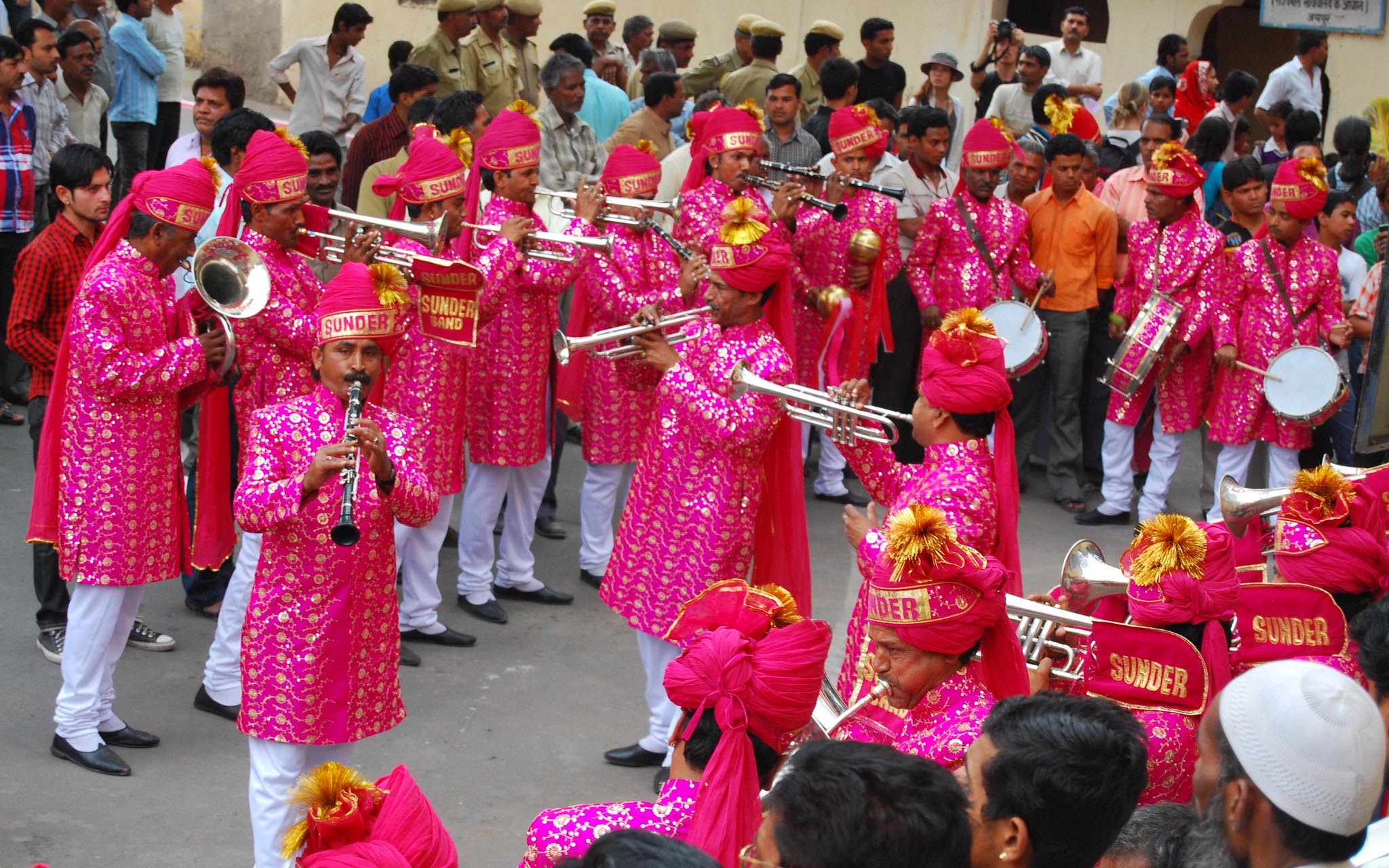
To travel through India is to discover the architectural splendor of the Taj Mahal, the spiritual tranquility of Varanasi, and the vibrant chaos of Mumbai. It is an invitation to traverse centuries-old forts in Rajasthan, delve into the layered history of Delhi, and immerse oneself in a cultural extravaganza of festivals. India's diversity is found in its landscapes, the cadence of its languages, and the spice of its varied cuisines.
Each region offers a unique glimpse into a vast heritage, from the ancient traditions of the South to the majestic beauty of the North, and from the serene East to the vibrant West. Visiting India is a call to explore the depth of the human experience and witness the resilience of one of the world's oldest civilizations. It is a journey of self-discovery and enlightenment, fostering a connection with a land that has captivated hearts and minds for millennia.
Venturing into the heart of India allows its grandeur to unfold, leaving an indelible mark on the soul and a treasure trove of memories. It is a land where the past lives on in every ritual, craft, and smile encountered along the way.