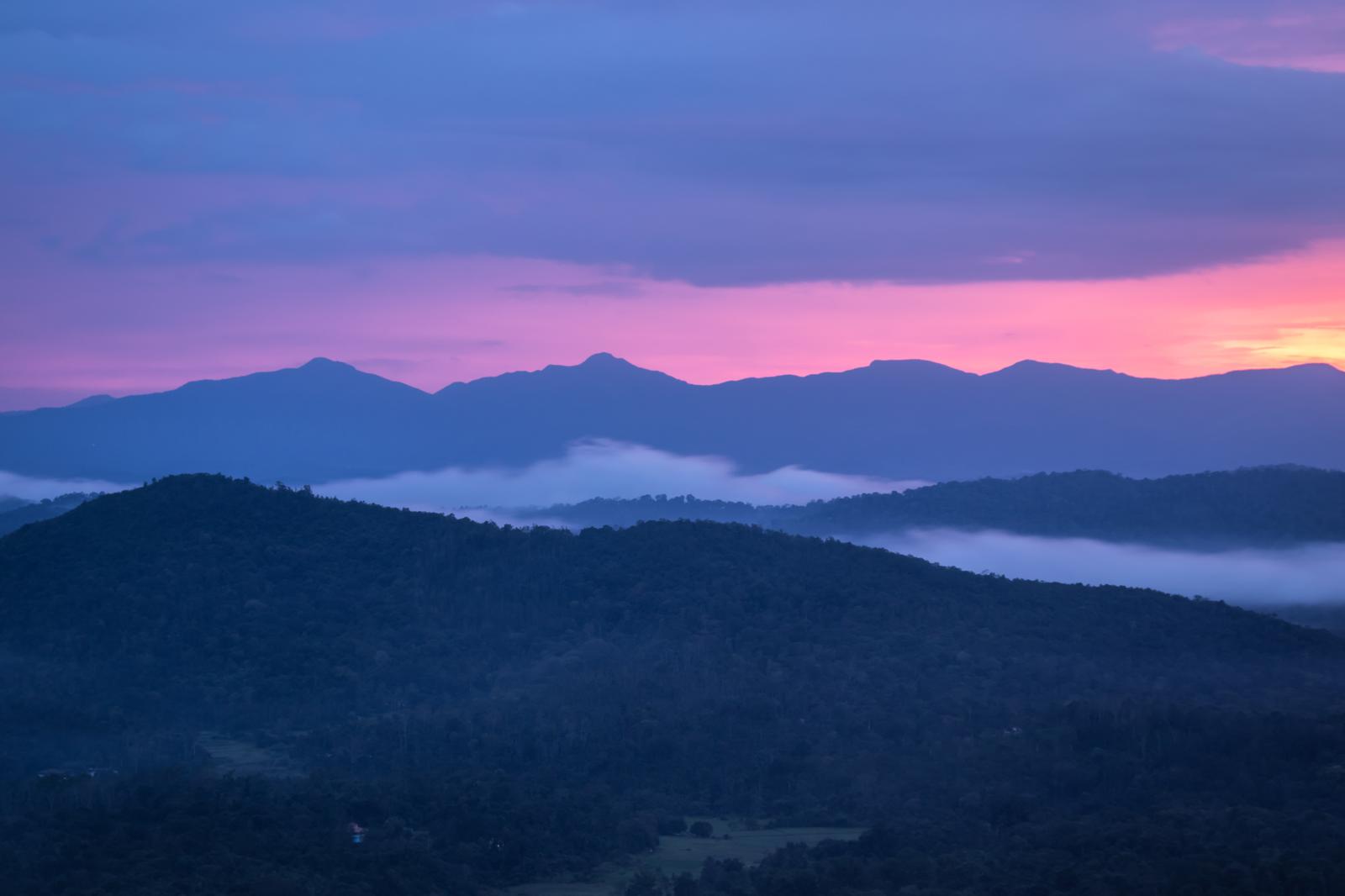

Tucked away on the eastern slopes of the emerald Western Ghats, Coorg, officially known as Kodagu, is one of India’s premier hill stations. Spanning over four thousand square kilometers, this breathtaking district in Karnataka is a paradise painted in shades of deep forest green and misty blue. Affectionately called the Scotland of India, Coorg owes its moniker to its endlessly rolling, mist-draped hills, cool temperate climate, and dramatic landscape. From elevations starting at fifty meters up to more than seventeen hundred meters above sea level at Tadiandamol, the highest peak, the air here stays crisp and perfumed with the sweet aroma of coffee blossoms. Whether you are an adrenaline junkie chasing mountain peaks, a weary soul looking to unplug, or a traveler wanting to lose yourself in a sea of coffee plantations, Coorg promises to make you slow down and breathe it all in.
Coorg boasts a proud historical legacy that shapes its modern identity. Its earliest inhabitants, the Kodavas, carved out a unique society as both dedicated agriculturists and fierce warriors. Over the centuries, the region was governed by prominent southern dynasties including the Kadambas, Gangas, Hoysalas, and the Vijayanagara Empire. Eventually, the Haleri dynasty took the reins until the British annexed Coorg in the early nineteenth century, introducing commercial coffee cultivation and reshaping the local economy. Fascinatingly, Coorg retained its status as a separate independent state after Indian independence, until it officially merged with Mysore State, which is now Karnataka, in nineteen fifty-six.
The heartbeat of Coorg lies in the traditions of the Kodava community, who add a distinct identity to the region with their martial traditions and immense contributions to the Indian Army. Patriotism runs deep here, and every household takes immense pride in their legacy of serving and protecting the nation, having produced legendary top-ranking officers like Field Marshal K.M. Cariappa. During celebrations, the traditional attire reflects this warrior heritage, with men wearing a sharp, long black tunic called a Kupya, secured with a gold-embroidered belt known as a Chele. Women drape their sarees uniquely with the pleats arranged at the back and the pallu tucked elegantly over the shoulder. Local legend says that when the River Cauvery first emerged as a goddess, the sheer force of her rushing waters pushed the pleats of the women's sarees to the back, creating a style that allowed for effortless movement through the rugged terrain.
Part of the prestigious Nilgiri Biosphere Reserve, Coorg is also a biological goldmine. Its vast terrain shifts seamlessly from evergreen forests and moist deciduous jungles to unique high-altitude Shola grasslands. Nagarhole National Park, also known as the Rajiv Gandhi National Park, is a sprawling sanctuary that serves as a premium habitat for majestic Asiatic elephants and the elusive Royal Bengal tiger. Additionally, the trio of Brahmagiri, Talakaveri, and Pushpagiri Wildlife Sanctuaries protect rare flora and fauna, with Pushpagiri recognized globally as a critical bird area for endemic species.
Coorg is not just a destination for sightseeing; it is a sensory powerhouse driven by its rich agricultural bounty. As you travel through the winding hillside roads, you will find yourself flanked by massive estates where premium Arabica and Robusta coffee beans grow under a canopy of shade trees. Alongside the coffee, you will find climbing vines of black pepper, aromatic cardamom, and sweet cinnamon, which are famous for their high quality and strong flavor.
Blessed with this endless variety of forest wildflowers, Coorg is also celebrated as one of the major natural honey producers in Asia. The diverse flora allows bees to produce high-quality, natural forest honey. Buying authentic Coorg Honey from local stores serves as a healthy and sweet souvenir that captures the essence of the valley.
The journey through Coorg naturally leads to its capital, Madikeri, where history and nature intertwine beautifully. A popular starting point is Raja’s Seat, a historic garden that was the favorite sunset viewing spot for the rulers of Coorg, offering sweeping views of the misty valleys. Nearby stands the Omkareshwara Temple, built in eighteen twenty by King Lingarajendra the Second. It showcases a fascinating Indo-Saracenic architectural style, complete with a central dome and minarets surrounding a serene water tank. Legend states the king built the temple to appease the spirit of a pious Brahmin he had unjustly executed. History buffs will also enjoy the Madikeri Fort, which houses St. Mark’s Church, raised by the East India Company. Today, the building serves as the Madikeri Fort Museum, managed by the state archaeological department.
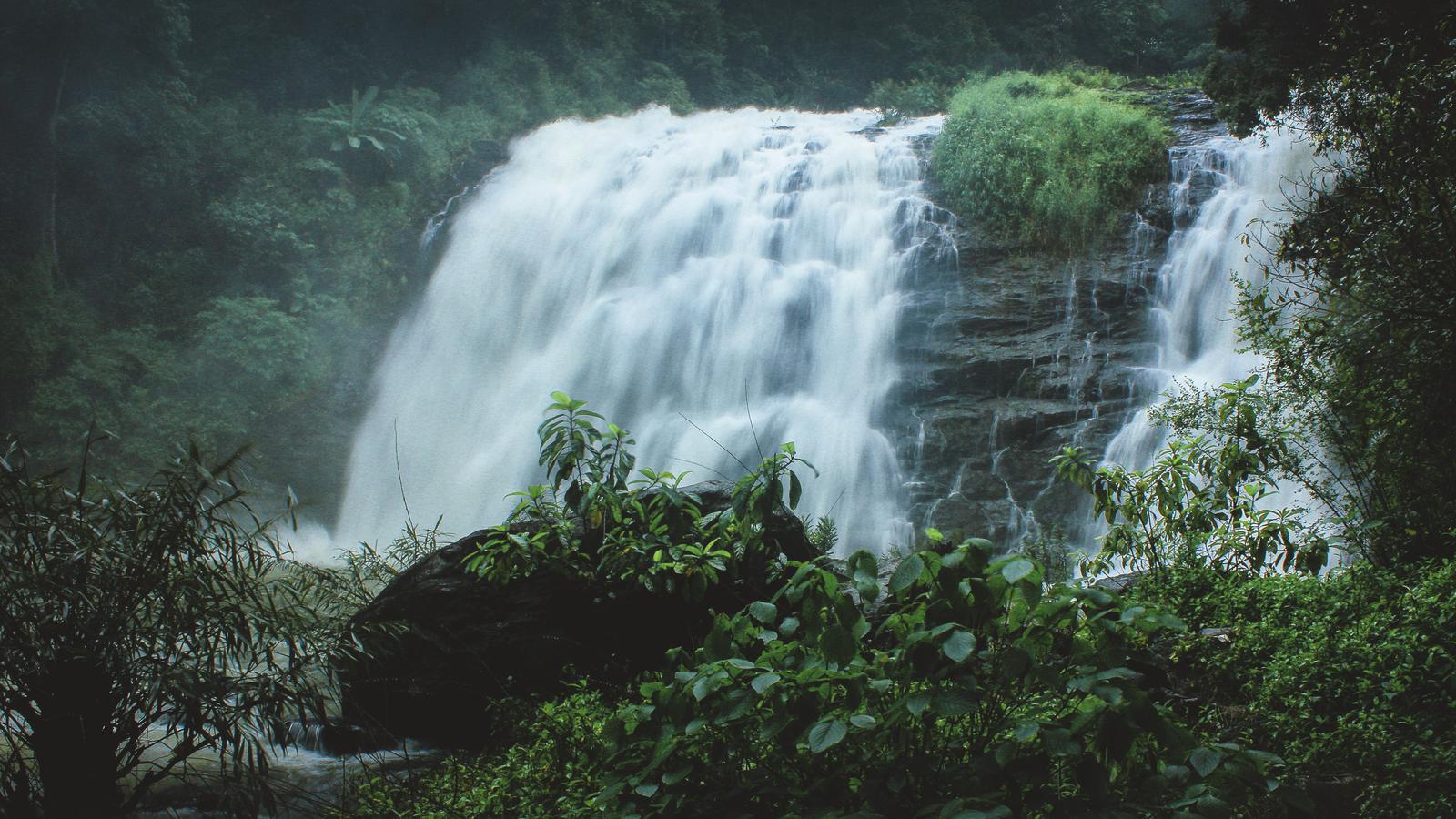
Waterfalls are another defining feature of the Coorg landscape, with Abbey Falls being a favorite located just five kilometers from Madikeri. A short walk-through lush coffee plantations lead you to a hanging bridge where you can watch the waters plunge dramatically over the rocks. In South Coorg, within the Brahmagiri hill range, lies Iruppu Falls, a sacred Hindu spot that feeds the Lakshmana Tirtha River. Mythological lore states that Prince Lakshmana shot an arrow into the hills to fetch water for Lord Rama, creating this gorgeous cascade that now sits near an ancient Rameshwara temple. For those willing to travel further north, Mallalli Falls offers a more rugged and powerful view downhill of the Pushpagiri hills.
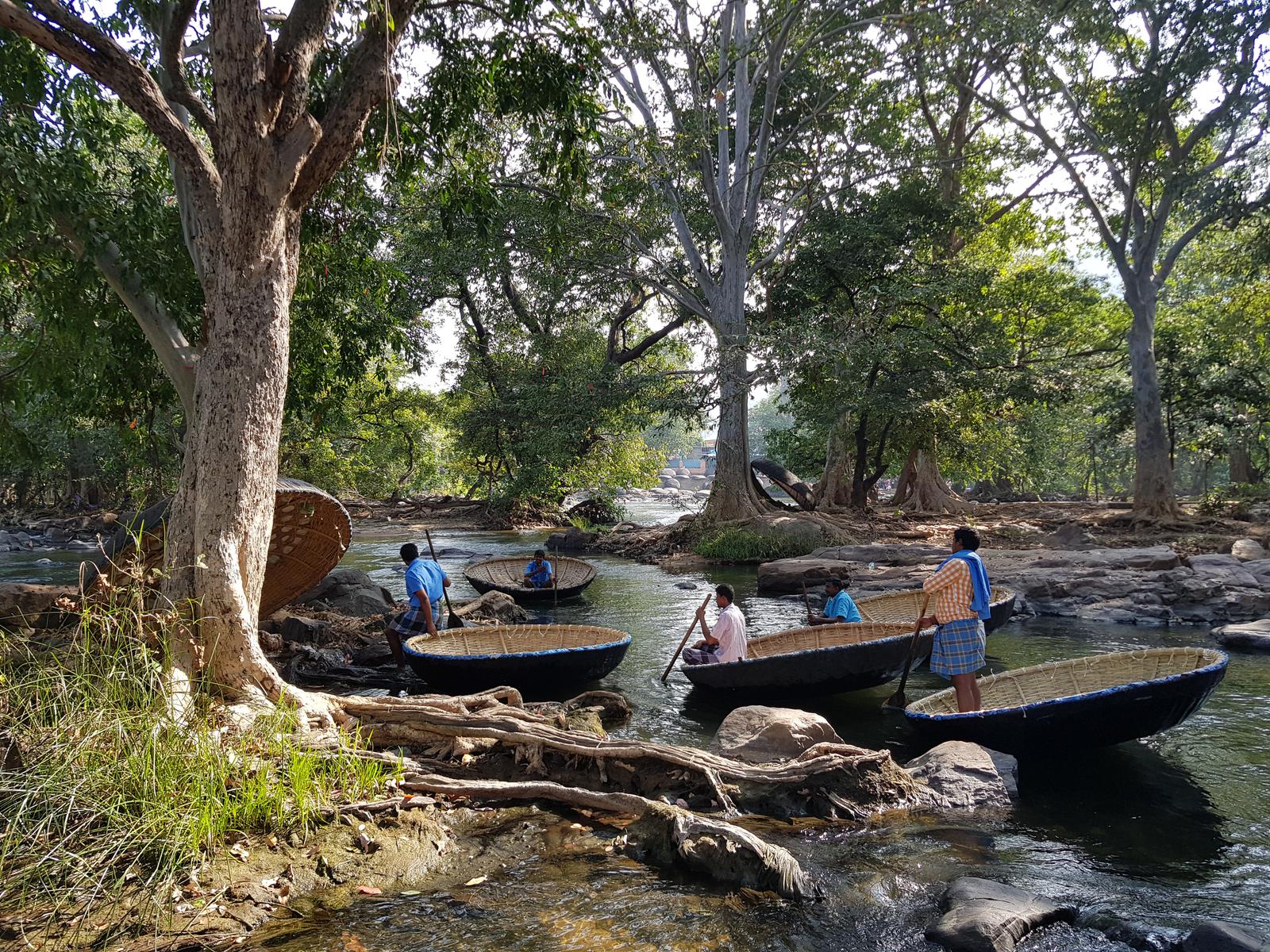
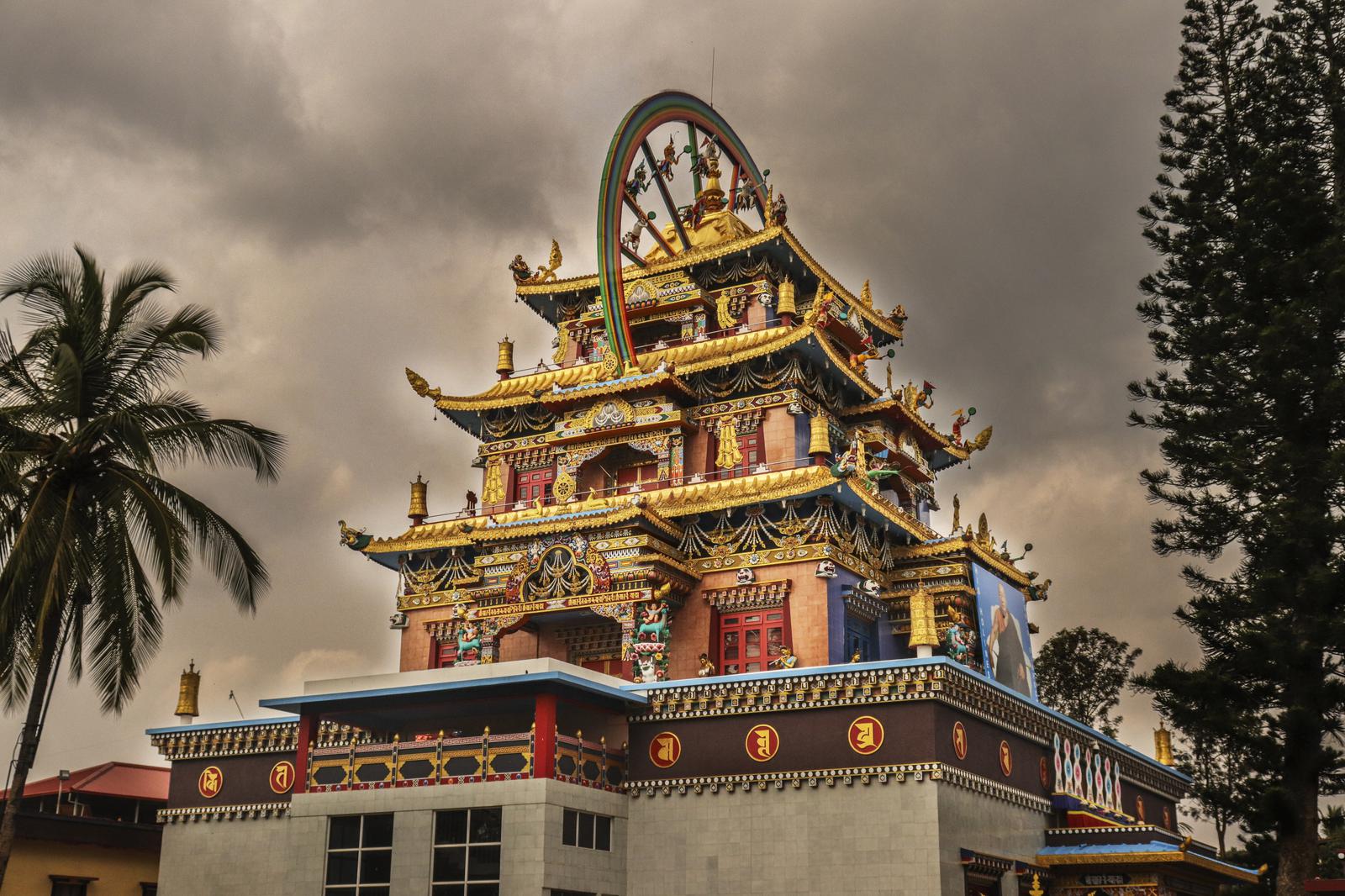
Spiritual and offbeat wonders are scattered throughout the district. Talakaveri sits high up in the hills and marks the sacred birthplace of the River Kaveri, while downhill lies Bhagamandala, the holy Triveni Sangama where the rivers Kaveri and Kannika meet a third, mythical underground river named Sujyothi. Stepping into the Golden Temple, or the Namdroling Monastery at Bylakuppe, offers a completely different experience. Located in a large Tibetan refugee settlement, it features towering gold-plated Buddha statues and stunningly intricate Tibetan architecture. For nature and adventure lovers, Mandalpatti Viewpoint offers a thrilling jeep ride to a high-altitude ridge line with endless views of the clouds, while Dubare Elephant Camp provides a chance to get close to elephants on the banks of the Kaveri River, right across from the man-made island picnic spot of Nisargadhama.
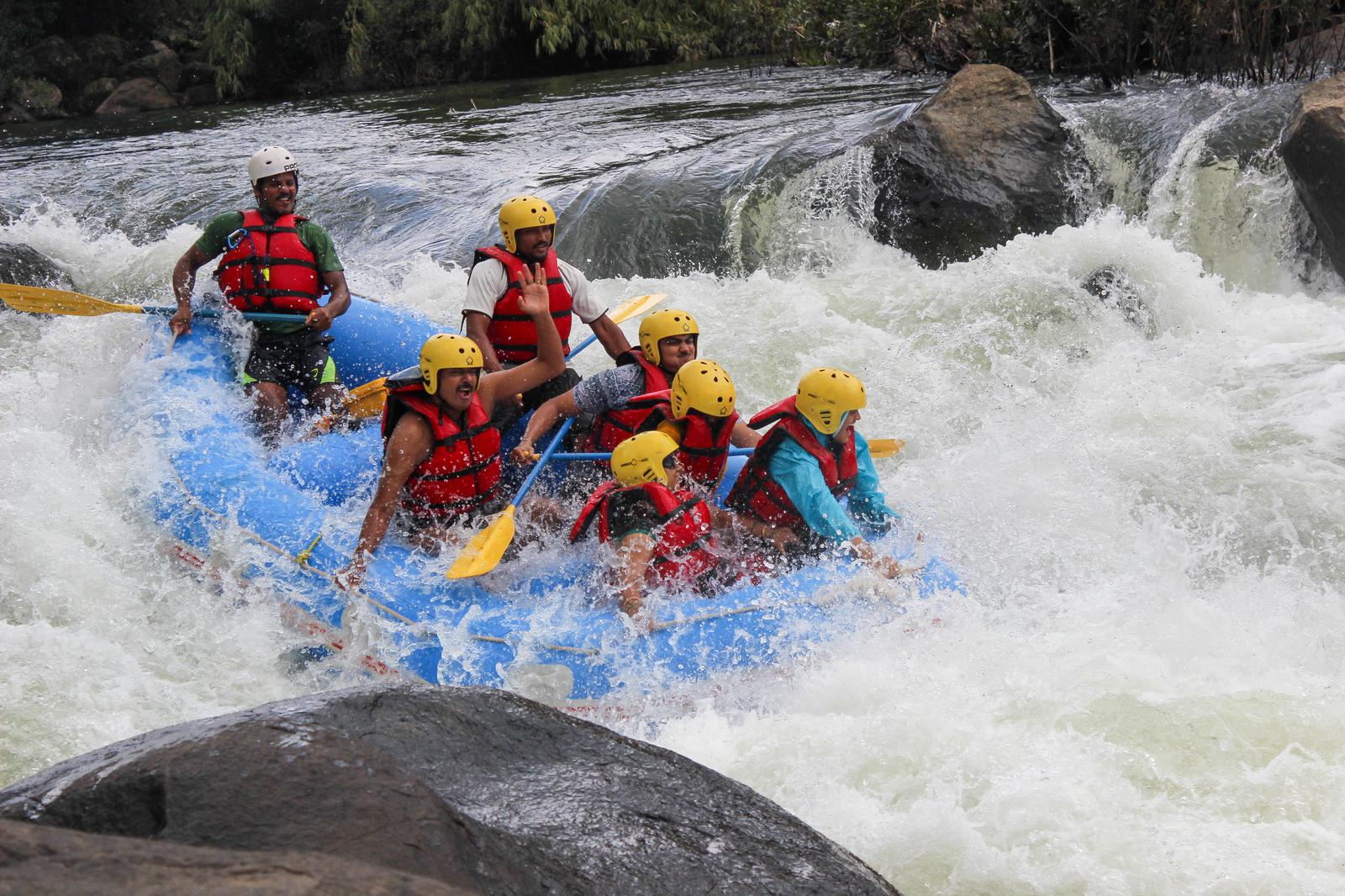
When you come to Coorg, you don’t just visit places, you experience them. For the adventurous traveler, the hills offer incredible trekking opportunities. You can scale Tadiandamol, the highest peak, or head off the beaten path to Nishani Motte for a thrilling offbeat trek that rewards you with a three-hundred-and-sixty-degree view of the pristine Shola forests and misty ridges. If water sports are more your style, you can head south to the Barapole River, where you can experience strong class three and four rapids that roar to life, especially during the monsoon season.
For a more relaxing getaway, you can take a peaceful walk through a coffee plantation to learn how coffee grows and is processed, surrounded by the fresh aroma of the estate. Camping is another wonderful way to spend time in nature, allowing you to stay in tents, enjoy a bonfire, and wake up to misty forest views. Alternatively, you can take an off-road jeep ride to high-altitude viewpoints like Mandalpatti or spend time exploring wildlife on a safari through Nagarhole National Park. Sometimes, the best thing to do in Coorg is nothing at all, simply sitting back to enjoy the cool weather, sipping fresh filter coffee, and taking in the peaceful surroundings.
To fully appreciate the diverse landscape of southwestern Karnataka, you can easily pair your trip with remarkable nearby destinations that offer a fascinating shift in scenery, culture, and architecture.
A short drive toward the eastern border leads to Bylakuppe, the second-largest Tibetan settlement in the world outside of Dharamshala. Arriving here feels like stepping across an international border as coffee estates give way to fluttering prayer flags and maroon-robed monks. The crown jewel of this peaceful enclave is the Namdroling Monastery (Golden Temple). Inside its grand prayer hall stand three towering, forty-foot gold-plated Buddha statues surrounded by intricate frescoes. Visiting during prayer hours allows you to witness hundreds of monks chanting in deep harmony, creating an incredibly serene atmosphere.
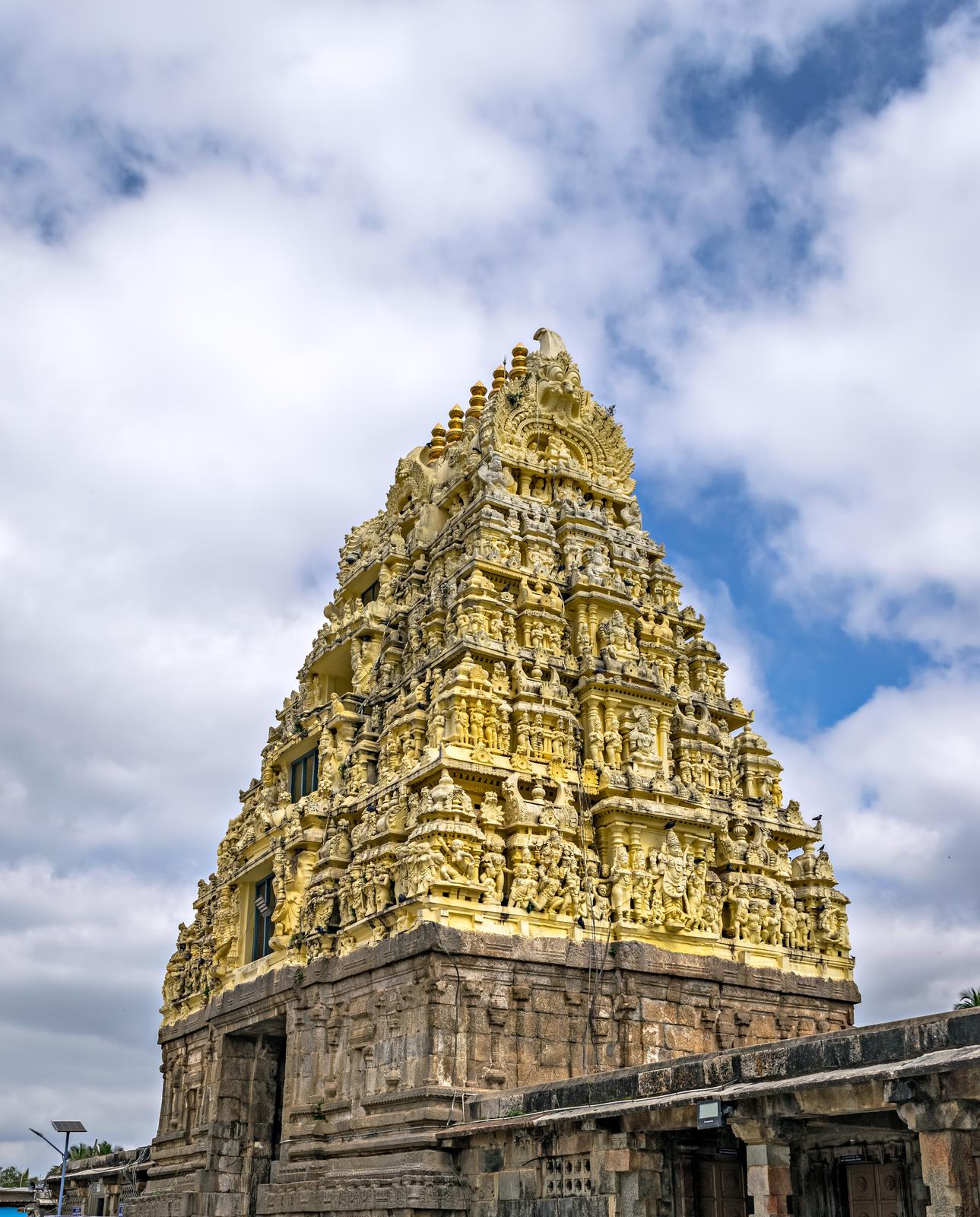
Traveling north brings you to Hassan, the gateway to the magnificent UNESCO World Heritage Hoysala Temples in the twin towns of Belur and Halebidu. Built from soft soapstone between the eleventh and fourteenth centuries, these structures are globally renowned for their star-shaped foundations and mind-bogglingly intricate stone carvings. At Belur’s Chennakeshava Temple, the exterior walls are entirely covered in fine reliefs of celestial dancers and epics. Nearby in Halebidu, the Hoysaleswara Temple showcases equally breathtaking craftsmanship, with stone friezes carved so finely they resemble delicate lace.
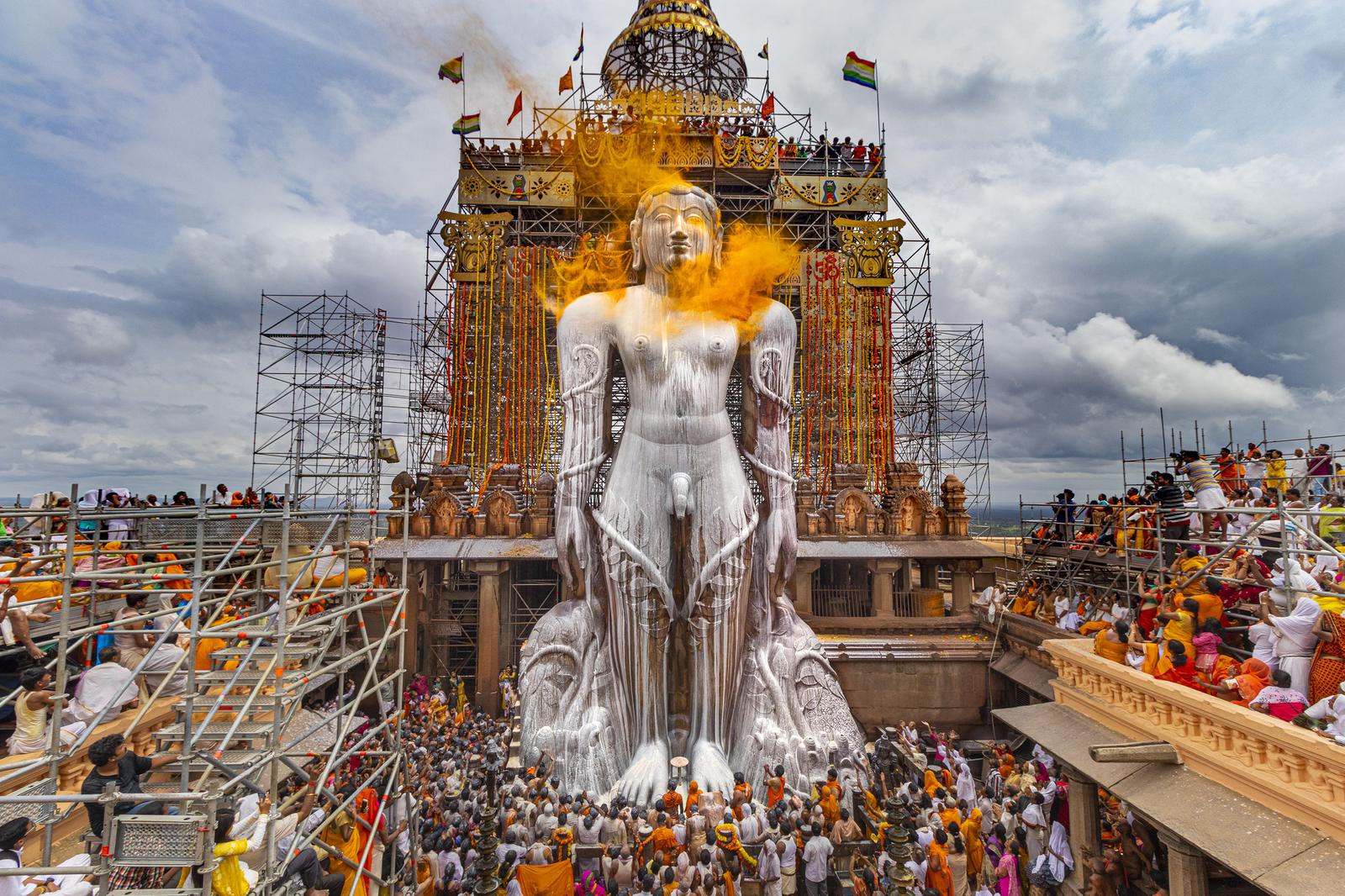
If you wish to extend your journey, Shravanabelagola is a magnificent historic stop nearby. Home to two sacred hills, it features the colossal, fifty-seven-foot monolithic statue of Lord Gomateshwara, one of the tallest free-standing structures of its kind in the world. Alternatively, for those who want to stay wrapped in the mountain air, the neighboring region of Sakleshpur offers a beautiful detour. Famous for its misty trekking trails, pristine coffee estates, and the star-shaped Manjarabad Fort, it is a dream destination for offbeat explorers.